• Don't miss our webinar: Take Your Omnichannel CX to New Heights: How Spirit Airlines Is Upgrading Self-Service with Agentic AI  Watch now -->

Your Guide to Live Chat: Benefits & Best Practices

Key Takeaways

  • Visibility matters:  If users can’t see or know about your live chat, they won’t use it. Promote the chat option via your website, email campaigns, phone hold messages, and other touchpoints.
  • Remove friction in access: Make initiating chat as painless as possible. Minimize form fields, allow conversational data collection before routing to agents, and reduce extra steps that discourage use.
  • Personalize interactions: Use branding, agent names/pictures, or context from prior interactions to tailor the chat experience. The more it feels human and relevant, the more comfortable customers will be using it.
  • Leverage AI & automation smartly: Use AI to automate answers to routine queries, freeing human agents for more complex tasks. At the same time, ensure smooth escalation from AI to humans and maintain continuity

When customer experience directors float the idea of investing more heavily in live chat for customer service, it’s not uncommon for them to get pushback. One of the biggest motivations for such reticence is uncertainty over whether anyone will actually want to use such support channels—and whether investing in them will ultimately prove worth it.

An additional headwind comes from the fact that many CX directors are laboring under the misapprehension that they need an elaborate plan to push customers into a new channel. However, one thing we consistently hear from our enterprise customers is that it’s surprising how customers naturally start using a new channel when they realize it exists. To borrow a famous phrase from Field of Dreams, “If you build it, they will come.” Or, to paraphrase a bit, “If you build it (and make it easy for them to engage with you), they will come.” You don’t have to create a process that diverts them to the new channel.

What is Live Chat?

Live chat is a real-time messaging tool on a website or app that lets customers quickly communicate with a business. It typically appears as a small chat window and allows users to ask questions, get support, or receive guidance instantly while browsing. Live chat improves customer experience by reducing wait times and offering immediate, personalized help.

Why is Live Chat Important for Contact Centers?

Live chat has a clear impact on customer engagement. When businesses offer real-time messaging, customers are more likely to return, explore confidently, and move toward a purchase because they can get quick answers without waiting on hold.

It’s also a channel customers genuinely prefer. Live chat feels easier and more convenient than phone or email, lets users multitask, and gives them a written record of the conversation—all of which contribute to consistently strong satisfaction. Support teams benefit, too. Handling conversations through chat reduces the emotional strain of frequent phone calls and allows agents to manage more interactions efficiently, which can improve morale and retention.

Overall, live chat stands out as an effective communication channel that supports better customer satisfaction and stronger outcomes for support teams—making it a smart choice for contact centers and customer service today and in the future.

Benefits of Live Chat Support Services

Real-Time Support

When customers need help, they don’t want to wait. Live chat support services provide instant solutions, cutting down resolution times and getting customers the answers they need—fast. And when customers get quick answers, they stick around. Faster replies lead to higher satisfaction, increased trust, and more repeat business. The quicker the response, the better the experience,— and that’s a win for both customers and businesses.

Increased Customer Satisfaction

Today’s customers expect immediate support, and live chat support services deliver exactly that. When customers know they can rely on your support team for quick, clear, and helpful answers, they feel confident in your brand. That confidence translates into loyalty, repeat purchases, and positive word-of-mouth—turning a one-time buyer into a long-term customer.

Efficiency

Live chat isn’t just better for customers,— it’s a game-changer for support teams too. Unlike phone calls, where agents can only help one person at a time, live chat lets them handle multiple conversations at once. That means fewer bottlenecks, faster resolutions, and better overall efficiency. Plus, fewer phone calls = lower costs. With live chat, businesses can reduce phone expenses, optimize staffing, and minimize hold times—all without sacrificing customer experience.

Omnichannel Integration

Customers don’t just stick to one channel—they bounce between email, social media, SMS, and your website. Live chat support services integrate seamlessly into this mix, creating a unified experience. Whether a customer starts a conversation on social media and follows up via chat or asks a question through SMS, they get the same consistent service. Even better, integrating chat across channels keeps all customer interactions in one place, so your team has a complete history of past conversations. That means no more repeating issues, fewer dropped interactions, and a smoother customer journey from start to finish.

Live Chat Support Best Practices

Prompt Response Times

Speed matters when it comes to live chat support services. The faster you respond, the more valued customers feel—and that leads to higher satisfaction and loyalty. Nobody likes waiting, especially when they have a quick question standing between them and a purchase. Whether a customer is asking about shipping costs, return policies, or product details, meeting them in the moment with real-time support keeps them engaged.

Professional Communication

Live chat is fast, but that doesn’t mean it should feel rushed. A professional and friendly tone makes all the difference in building trust and keeping conversations productive. Customers want clear, concise, and helpful responses—not robotic scripts or vague answers. Miscommunication can create frustration, so keep things simple, polite, and to the point. Use proper grammar, avoid jargon, and personalize interactions with the customer’s name. A great chat experience feels like talking to a knowledgeable friend—someone who understands the problem and knows exactly how to help. The smoother the conversation, the more confident customers feel about your brand.

24/7 Availability

Customers shop on their own time, whether that’s during a lunch break, late at night, or halfway across the world. Offering live chat support services 24/7 means you’re always there when they need help. This is especially valuable for global businesses, ensuring customers in different time zones get real-time answers instead of waiting for office hours. Plus, round-the-clock availability isn’t just about support—it’s a sales booster too. A shopper with a question at 2 AM might just leave if they can’t get an answer. But if live chat is available? That hesitation disappears, and the sale happens.

6 Tips for Encouraging Customers to Use Live Chat

1. Make Sure People Know You have Live Chat Services

One of the simplest ways to increase live chat adoption is to make it highly visible. Promote it across your usual channels—your support page, social media, order confirmation emails, and other customer touchpoints so people know it’s available.

You can also shift customers from phone to messaging by mentioning live chat in your IVR or hold messages. Since customers dislike waiting on hold, offering a quick alternative like web chat, SMS, WhatsApp, or Apple Messages can encourage them to switch. A prompt as straightforward as “Press 2 to chat with an agent online or by text” can significantly reduce call volume.

Highlighting live chat benefits everyone. Agents can manage multiple conversations at once, leading to quicker resolutions and higher overall satisfaction. And the more places you link to live chat on post-purchase emails, product pages, hero pages, and other high-intent parts of your website, the easier it is for customers to get help in the moment, which can also boost conversions.

2. Minimize the Hassle of Using Live Chat

One of the better ways of boosting engagement with any feature, including live chat, is to make it as pain-free as possible.

Take contact forms, for example, which can speed up time to resolution by organizing all the basic information a service agent needs. This is great when a customer has a complex issue, but if they only have a quick question, filling out even a simple contact form may be onerous enough to prevent them from asking it. Every additional second of searching or fiddling means another lost opportunity.

 There’s a bit of a balancing act here, but, in general, the fewer fields a contact form has, the more likely someone is to fill it out.

The emergence of large language models (LLMs) has made it possible to use an AI agent to collect information about customers’ specific orders or requests. When such an agent detects that a request is complex and needs human attention, it can ask for the necessary information to pass along to an agent. This turns the traditional contact form into a conversation, placing it further along in the customer service journey, so only those customers who need to fill it out will have to use it.

3. Personalize Your Chat

Another way to make live chat for customer service more attractive is to personalize your interactions. Personalization can be anything from including an agent’s name and picture in the chat interface displayed on your webpage to leveraging an LLM to craft a whole bespoke context for each conversation.

For our purposes, the two big categories of personalization are brand-specific personalization and customer-specific personalization. Let’s discuss each.

Brand-specific personalization

Marketing and contact teams should collaborate to craft notifications, greetings, etc., to fit their brand’s personality. Chat icons often feature an introductory message such as “How can I help you?” to let browsers know their questions are welcome. This is a place for you to set the tone for the rest of the conversation, and such friendly wording can encourage people to take the next step and type out a message.

More broadly, these departments should also develop a general tone of voice for their service agents. While there may be some scripted language in customer service interactions, most customers expect human support specialists to act like humans. And, since every request or concern is a little different, agents often need to change what they say or how they say it.

Customer-specific personalization

Customer-specific personalization, which might involve something as simple as using their name, or extend to drawing from their purchase history to include the specifics of the order they’re asking about.

Among the many things that today’s LLMs excel at is personalization. Machine learning has long been used to personalize recommendations, but when LLMs are turbo-charged with a technique like retrieval-augmented generation (which allows them to use validated data sources to inform their replies to questions), the results can be astonishing.

Machine-based personalization and retrieval-augmented generation are both big subjects, and you can read through the links for more context. But the high-level takeaway is that, together, they facilitate the creation of a seamless and highly personalized experience across your communication channels using the latest advances in AI. Customers will feel more comfortable using your live chat feature, and will grow to feel a connection with your brand over time.

4. Include Privacy and Data Usage Messages

By taking privacy seriously, you can distinguish yourself and thereby build trust. Customers visiting your website want an assurance that you will take every precaution with their private information, and this can be provided through easy-to-understand data privacy policies and customizable cookie preferences.

Live messaging tools can cause concerns because they are often powered by third-party software. Customer service messaging can also require a lot of personal information, making some users hesitant to use these tools.

You can quell these concerns by elucidating how you handle private customer data. When a message like this appears at the start of a new chat, it is always accessible via the header, or persists in your chat menu, customers can see how their data is safeguarded and feel secure while entering personal details.

5. Use Rich Messages

Smartphones have become a central hub for browsing the internet, shopping, socializing, and managing daily activities. As text messaging gradually supplemented most of our other ways of communicating, it became obvious that an upgrade was needed.

This led to the development of rich messaging applications and protocols such as Apple Messages for Business and WhatsApp, which use Rich Communication Services (RCS). RCS features enhancements like buttons, quick replies, and carousel cards—all designed to make interactions easier and faster for the customer.

Using rich messaging in live chat with customers will likely help boost engagement. Customers are accustomed to seeing emojis now, and you can include them as a way of humanizing and personalizing your interactions. There might be contexts in which they need to see or even send graphics or images, which is very difficult with the old Short Messaging Service (SMS).

6. Separating Chat and Agent Availability

Once upon a time, ‘chat availability’ simply meant the same thing as ‘agent availability,’ but today’s language models are rapidly becoming capable enough to resolve a wide variety of issues on their own. In fact, one of the major selling points of AI agents is that they provide round-the-clock service because they don’t need to eat, sleep, or take bathroom breaks.

This doesn’t mean that they can be left totally alone, of course. Humans still need to monitor their interactions to make sure they’re not being rude or hallucinating false information. But this is also something that becomes much easier when you pair with an industry-leading conversational AI for CX platform that has robust safeguards, monitoring tools, and the ability to switch between different underlying models (in case one starts to act up).

Having said that, there are still a wide variety of tasks for which a living agent is still the best choice. For this reason, many companies have specific time windows when live chat for customer service is available. When it’s not, some choose to let customers know when live chat is an option by communicating the next availability window.

Employing these two strategies means that your ability to service customers is decoupled from operational constraints of agent availability, and you are always ready to seize the opportunity to serve customers when they are eager to engage with your brand

Creating Greater CX Outcomes with Live Web Chat is Just the Start.

Live web chat remains one of the strongest ways to resolve issues quickly while building trust and elevating the customer experience. The key to driving higher engagement is making chat visible, easy to use, and personalized while using AI to handle routine questions and fill in gaps when agents aren’t available.

With Quiq, these strategies become even more effective. Quiq helps teams blend AI, automation, and human agents across chat, messaging, and web channels so customers always get fast, reliable support.

If you’re interested in taking additional steps and learning how to use live chat more effectively within your customer-service strategy, be sure to explore our Agentic AI for CX Buyers Kit. It breaks down practical, actionable ways to elevate your support experience—covering automation, AI-driven workflows, and the evolving role of messaging. Inside, you’ll find clear guidance on how to use live chat alongside modern AI capabilities to boost satisfaction, streamline operations, and drive more meaningful customer outcomes.

Frequently Asked Questions (FAQs)

Why should businesses offer live chat support?

Live chat provides instant, convenient communication – reducing wait times and improving customer satisfaction while lowering operational costs.

How can I encourage customers to use live chat?

Make the chat widget visible, promote it across touchpoints (like emails or social), and ensure it’s easy to access without long forms or redirects.

How does live chat benefit support teams?

AI agents can handle multiple chats simultaneously, improving efficiency, reducing call volume, and boosting job satisfaction.

Can live chat integrate with other channels?

Absolutely. Live chat can be part of an omnichannel strategy that connects web, SMS, and social interactions for a seamless customer experience.

What metrics should I track to measure chat success?

Monitor chat volume, first-response time, resolution time, CSAT scores, and conversion rates to understand performance and customer satisfaction.

Customer Service Strategies: 5 Effective Ways to Improve eCommerce Support

More than ever before, eCommerce businesses’ overall revenue is directly tied with the quality of their customer service. Today’s customers value shopping experiences more than price or product selection and can easily transition to one of many competitors. 86% of consumers say they would spend more for a better experience, and 76% of consumers said it’s far easier now to take their business elsewhere than ever before.

According to the 2020 ROI of Customer Experience Report, 94% of consumers outstanding experience with a brand say they would recommend it to family and friends. In contrast, only 13% of consumers who had an abysmal customer experience with a brand would recommend it.

From these statistics, it’s possible to conclude that marketing and sales alone aren’t enough for eCommerce businesses to remain competitive, maintain a substantial market share, and grow their brand reputation. They need to go above and beyond to implement outstanding customer service strategies, before and after closing the sale.

Here are 5 successful customer service strategies that eCommerce brands can quickly implement to improve their overall customer experience.

1. Build a Strong Customer Service Team

Start by hiring an excellent customer service team and creating an environment that promotes staff retention.

Conversational Engagement Platforms, like Quiq, are meant to augment human agents, not replace them. When offering top-notch customer support, software can’t replace the need for well-trained and skilled customer representatives.

Here are six strategies to attract talented, customer service-minded professionals.

  • Hire the right people: Hire for attitude. Look for employee representatives with empathy, patience, and excellent communication skills.
  • Train employee representatives: eCommerce hiring managers must train their employee representatives to understand their products and services and connect with their customers on an emotional level.
  • Equip customer service agents: Brand leaders should provide a platform to offer the best consumer experience without stress, overwork, or burnout. For example, Quiq’s Conversational Customer Engagement Platform enables companies to engage with customers across different channels in one centralized place, providing easy, simultaneous responses.
  • Track agents’ performance: Using surveys, management teams should collect feedback from customers on their experiences with employees and use the insights from these ratings to evaluate each representative’s performance.
  • Reward excellent performance: Incentivize top-performing employee representatives to motivate others to do more.
  • Listen to employee representatives: Ask for and listen to worker feedback to understand their needs.

Customer service is often the first area considered for budget cuts. However, this strategy is counterproductive. According to customer experience research, 50% of consumers would switch to a competitor after a bad experience, and 80% would switch after more than one bad experience. To keep consumers from switching to competitors, managers must prioritize customer service.

When it comes to the finesse and care it takes to navigate complicated customer inquiries or assist distressed customers, nothing beats a knowledgeable, well-trained, and accessible human agent. That’s why many channels, like Apple Messages for Business and Google Business Messages require brands to have live agents to escalate conversations to.

2. Personalize Every Conversation With Consumers

customer service improvement strategies

Personalizing customer conversations means tailoring support and service to their exact needs and expectations.

Customizing services to meet consumer demand gives eCommerce businesses a competitive advantage in their industries, helps deliver faster support from team members, makes customers feel more connected, and reinforces a consistent sense of satisfaction.

Here are a few ways to offer personalized service:

  • Engage with consumers where they already are
  • Transfer consumers smoothly across employee representatives
  • Mention people by their name in every conversation
  • Make recommendations when the requested product or service is unavailable
  • Offer free demonstrations and training to educate customers

Shoppers look toward eCommerce providers to know their needs and provide what they want. Research shows that 80% of consumers are more likely to make a purchase when brands offer personalized experiences, while 72% of consumers say they only engage with personalized messaging. To win and keep business, eCommerce employees must treat consumers as people — not numbers in a sales report — with unique needs and expectations.

A conversational engagement platform can help employees provide highly personalized experiences. For example, Quiq clients, like Stio, can send outbound messages to segmented customers and offer them targeted promotions. They can use Quiq’s intelligent routing feature to provide VIPs, who may spend at a certain level or who are part of their Pro Purchase Program with priority support.

3. Collect and Use Customer Feedback

Continually gathering feedback from shoppers on their experience can help eCommerce business leaders:

  • Understand their consumers’ needs, challenges, and pain points
  • Identify the positive and negative experiences shoppers have with their brand
  • Locate the cracks in customer service
  • Provide a more personalized experience for shoppers
  • Build trust and make shoppers feel valued

To obtain comprehensive and useful customer feedback, company decision-makers need to implement intuitive ways for consumers to communicate with them and ensure the information provides actionable insight for improving customer service.

Here are seven ways to collect customer feedback:

  • Send customer satisfaction surveys online
  • Organize feedback focus groups
  • Read reviews from third-party review sites
  • Build an online community for customers

Gathering feedback is only the first step. Next, it’s important for managers to create an action plan on cumulative insights and train employees to leverage this information when responding to customer complaints.

Continuously requesting consumer feedback will help identify any gaps in customer service and reduce the likelihood of a shopper feeling unsatisfied with their transaction.

4. Use KPIs to Gauge Customer Service Performance

It is not enough for eCommerce managers to train and equip their customer service teams. Measuring and tracking customer experience with the right KPIs can help the entire team understand how their consumer experience ties to overall business success, and how shoppers’ interactions with them change over time.

KPIs help eCommerce leaders appreciate their shoppers’ satisfaction level and readiness to continue doing business with them.

Here are four customer experience KPIs to track as an eCommerce strategy:

  • Net promoter score
  • Customer effort score
  • Rate of returning visitors
  • Revenue per customer

See the breakdown of each KPI below.

Net Promoter Score

Net promoter score (NPS) is a reflection of an eCommerce business’s customer experience. An eCommerce business’s net promoter score shows the likelihood of shoppers referring their family and friends to do business with that brand.

To calculate NPS, send a survey including the question, “How likely are you to recommend our product?” Customers provide their answers on a scale of 1 to 10.

After collecting this information, calculate NPS by subtracting the total number of entries below 5 from the total number of entries above 5.

An NPS below zero indicates a low customer satisfaction level. An NPS between zero and 30 shows more satisfied customers than unsatisfied customers. Above 30 implies that there are far more satisfied customers than unsatisfied customers. Above 70 means that customers are loyal and will be the source of a lot of word-of-mouth referrals.

Customer Effort Score

Customer Effort Score (CES) reveals how much work consumers must put into researching products and services or completing a particular task. For example, how long does it take the average shopper to get a refund, sign up, or get a request ticket answered?

Customer effort score reflects how accessible a business is to its consumers.

As with NPS, calculate CES using a survey with the question, “How much effort did you have to put into completing this task?” Ask customers to respond on a scale of 1 to 7 or 1 to 5.

Here’s the breakdown for each scale.

On a scale of 1 to 5:

  • 1 = Very high effort
  • 2 = High effort
  • 3 = Neutral
  • 4 = Low effort
  • 5 = Very low effort

On a scale of 1 to 7:

  • 1 = Extremely difficult
  • 2 = Very difficult
  • 3 = Fairly difficult
  • 4 = Neither
  • 5 = Fairly easy
  • 6 = Very easy
  • 7 = Extremely easy

To calculate CES, divide the total effort scores by the number of responses. Measure it right after a purchase or service interaction. On a 1–7 scale, a score of 5+ means customers find your product or service easy to use; below 5 suggests they’re facing challenges.

Rate of Returning Visitors

The rate of returning visitors (RVR) reflects the effectiveness of customer success strategies and user experience for an online service. If shoppers enjoy their experience on the site, they’ll be more likely to return.

For an online service, calculate RVR by dividing the number of returning visitors by the number of unique visitors. The higher the value, the better the customer experience on the site.

While RVR can vary for different industries, a good RVR is 30% or more.

Revenue Per Customer

Revenue per customer (RPC) ties the overall consumer experience to a company’s bottom line.

To calculate RPC, divide the total revenue by the total customer count.

A high RPC means consumers have a consistently positive experience with a business. They are loyal, repeat shoppers who recommend the brand to friends and family.

Combined, these four KPIs provide insight into the quality of customer service, the satisfaction consumers derive from a product or service, and areas for improvement.

For example, a CES below 5 for contacting support could mean one or more of the following:

  • Customers don’t receive a timely response
  • Consumers must try multiple channels to access the customer service team
  • Customers must repeat themselves to every new call center agent they interact with
  • It takes a long time for representatives to resolve their issues

Company executives should dig deep to uncover the factors producing the low KPIs and benchmark their KPIs with their competitors to know where they stand.

5. Provide a Consistent Cross-Channel Experience

A cross-channel customer service strategy allows eCommerce employees to provide seamless and consistent customer support across different channels. Shoppers can switch between SMS, webchat, and social media without any service interruptions or inconsistencies in quality.

Cross-channel customer service helps shoppers get quick responses to their needs, improves the brand’s reputation and trust, and boosts consumers’ positive experiences.

Here are seven strategies to implement a cross-channel experience:

  • Ensure customers can reach employee representatives offline and online on the platform of their choice
  • Implement seamless transition when moving customers from one call center agent to another
  • Maintain comprehensive documentation on each customer to help call center agents continue conversations based on the last engagement
  • Build mobile-friendly customer support pages to provide mobile consumers a smooth experience
  • Respond on time to customer queries on all channels and present practical solutions to their needs
  • Create a comprehensive self-service solution to help customers solve their problems by themselves
  • Present a unified front and ensure every team and department collaborate and share information

Today, 95% of customers use three or more channels to connect with a company in a single service interaction, and 65% of customers expressed frustration over inconsistent experiences across channels. Establishing a presence on all available platforms might spread a company’s resources too thin and lead to inconsistent, negative experiences. Instead, focusing on meeting consumers where they are and establishing unified, consistent experiences on their most used channels will create a better overall customer experience.

With Quiq’s cross-channel digital messaging platform, employees can provide a consistent experience for consumers across different digital platforms.

Also, to implement the best customer service strategy, nothing beats working with the right conversational customer engagement platform. Ideally, interacting with consumers will be easy and fun for employees and provide frictionless support for shoppers, while increasing the brand’s competitive advantage, market share, and overall revenue.

Key Takeaways

Improving eCommerce customer service strategies doesn’t have to be complicated—it just requires consistency, the right tools, and a customer-first mindset. Here’s a quick recap of the five strategies covered:

  • Hire and retain the right people. A strong customer service team is your foundation. Invest in hiring, training, and supporting representatives who can deliver real value to your customers.
  • Personalize every interaction. Today’s shoppers expect tailored experiences. Meeting them where they are, remembering their preferences, and offering relevant recommendations all go a long way.
  • Collect and act on feedback. Listening to your customers helps identify areas for improvement and ensures your support is aligned with their expectations.
  • Measure what matters. Tracking KPIs like NPS, CES, and revenue per customer gives you the insight you need to improve and scale your support strategy effectively.
  • Provide a consistent experience across channels. Whether it’s SMS, web chat, or social media, customers expect seamless, responsive support—no matter where they reach out.

When done right, these strategies don’t just improve customer service—they help build loyalty, encourage repeat purchases, and turn satisfied shoppers into brand advocates.

Invest in a Quality Customer Engagement Platform

More than ever, consumers want to do business with brands that make it easy to browse, shop, complete transactions, and get support on the consumers’ terms. eCommerce businesses can gain a significant competitive advantage by providing these experiences through seamless engagement via digital channels.

Improving customer success and satisfaction is a long-term plan that requires buy-in and commitment from management, investment in training employee representatives, collecting feedback consistently, measuring the right things, and investing in a platform to manage everything.

Quiq is a conversational customer engagement platform that enables enterprises to unify SMS, email, chat, and social media interactions with their consumers all in one place. Request a demo to see how Quiq can help employee representatives provide a seamless customer service experience.

5 Types of Customer Service Software for E-Commerce Businesses

Customer service takes more than a team of hardworking agents. It takes a solid technology strategy, too.

E-commerce brands, in particular, face chaotic customer service challenges. Between omnichannel support, the demand for 24/7 availability, and higher overall requests, there’s a lot to manage.

Unfortunately, it’s getting even more challenging. Many retailers know their customer service needs to improve, and customers aren’t making it easy. Customer engagement is up 14% in 2022, and so are customer standards. 60% say they have higher customer service standards than before, but only 26% say the overall quality of their customer service is extremely strong.

This year is tough. There’s a big gap between customer expectations and reality, and the talent shortage isn’t helping. But there is a way to fill that gap and deliver exceptional service to your customers.

You need customer service software.

Dive in to see how you can make things easier for your customer service team while improving customer satisfaction, and see the five must-have support tools that can help you do it.

What is customer service software?

Customer service software helps your support agents serve your customers. From CRM to analytics, you can put together an ecosystem of tools to enable efficient and effective customer support.

What kind of software do you need for e-commerce customer service?

Your support team is spread thin. They’re handling the rapid influx of inquiries, dealing with shipping delays, and stressed customers—plus they’re likely dealing with a short staff.

Give them the gift of efficiency. Here are the five must-have types of software to streamline your customer service.

1. CRM

Customer relationship management (CRM) is software that helps your team organize customer information, from storing historical information to analyzing data to facilitating conversations.

CRM software is a foundational purchase for an e-commerce business. Many of the following tools are available as add-ons or integrations so that everything can work together as one.

2. Ticketing system

Simply put, a ticketing system keeps track of customer issues. It helps customer service agents to organize and manage all customer inquiries, no matter which channel they come through, to ensure nothing slips through the cracks.

You can also automate ticketing systems to help route customers to particular departments, prioritize based on category, or even tag using perceived customer sentiment.

3. Conversational engagement platform

Conversational commerce for customer serviceA conversational platform, like Quiq, seamlessly connects agents and customers through a variety of messaging channels. Messaging has proven to be a more efficient and affordable form of customer engagement than voice and enables agents to manage multiple conversations at once.

You can also use conversational engagement platforms to connect with your customers where they are, like Facebook Messenger, Apple Business Chat, WhatsApp, and more. Zendesk even reports that third-party messaging apps receive the highest average CSAT score (98%).

Quiq also delivers enhanced conversational AI to connect your customers through chatbots. Chatbots lighten the load for your customer service agents, filling in at various points in the conversation.

Designate a chatbot as the welcome wagon to collect customer information and route the issue to the appropriate department, automatically capture customer feedback at the end of an interaction, or even have bots answer common customer service questions.

4. Analytics software

Every team can benefit from more data. Analytics software helps you understand customer behavior, trends, and pain points. Use this information to identify areas of improvement in your customer service team or uncover problems before they happen.

For example, if you see a jump in “Where’s my order?” inquiries, test what happens when you send tracking links via text message, which has a much higher open rate than email.

5. Knowledge base

This software allows you to create and manage a customer self-service portal. Customers can find answers to their questions without having to contact customer service. According to a 2022 Zendesk survey, 83% of customers will spend more money with companies that allow them to find answers online—without having to ask anyone.

Knowledge-based software can be as simple as a content management system, but there are also specialized services that help you catalog information so that it’s easier for your customers to find.

How customer service software can all work together

As you piece together best-of-breed solutions for your customer service, look for software that integrates with each other to enhance your workflows. Investing in solutions that play well together is vital for the success of your customer service team.

For example, Zendesk’s Quiq integration enables your customer support agents to work with customers right from the Zendesk interface. When customers send a message to your company, no matter which platform, it automatically creates a ticket and fills in information like assignee, ticket type, priority, and more.

Agents can also use the customer information that’s already in Zendesk to help them solve issues. Access information like order history, past conversations, and more. Quiq will even scan conversations to identify pain points and pull up answers from Zendesk’s knowledge base.

You can find other Quiq integration opportunities here.

What are the benefits of customer service software?

Enhancing your team’s workflows with customer service software provides tons of benefits, felt by your customers, your agents, and your bottom line.

  1. Quicker response times: When customer service agents have the right information at their fingertips, they can respond to customer questions faster. Customer order information or past interactions can be stored within a CRM and automatically pulled up a the beginning of a conversation. Or, when agents are asked a question they don’t know, they can simply search their knowledge base.
  2. Faster resolutions: Above all else, customers want their problems solved quickly. Since agents have a more comprehensive picture of the customer and their problem, they’re more likely to resolve their issue with fewer messages.
  3. Reduced costs: Automating manual tasks and improving efficiency enables customer service agents can handle more customer requests in a shorter time.
  4. Happier agents: Customer service agents spend a lot of time dealing with unhappy customers, which can really take its toll. Only 15% of agents report that they’re extremely satisfied with their amount of work. When work is easier to manage—and customers are happier—your team benefits, too.
  5. Improved customer service: Support agents can deliver even better customer service with insights pulled from customer analytics. They can track things like sentiment and easily escalate problems to a manager when needed.

Plus, customers don’t need to repeat themselves when their information and conversation history is readily available. That itself provides a premium customer experience—one they’re willing to pay for. 88% of surveyed shoppers said they would spend more money with companies that ensure they won’t need to repeat information. (Wow!)
Digital_Conversations_Pricing_Integrations_Business_Messaging_Channels

Start with Quiq

If you’re looking for customer service software to deliver exceptional customer experiences, Quiq’s conversational AI is the place to start.

Unlock the power of conversations with rich messaging, intelligent chatbots, and tools to help your agents thrive. Plus, you can meet customers on whatever platform they prefer.

Start using asynchronous messaging and deliver stellar customer service.

With customers flocking to messaging channels, it’s a great time for your customer service team to adopt asynchronous messaging. The best way to set your team up for success? With a conversational platform, like Quiq.

Turn any messaging channel into an asynchronous experience. With Quiq, you can:

  • Manage conversations across multiple channels
  • Serve customers based on sentiment
  • Increase agent efficiency and boost customer satisfaction

Sign up for a Quiq demo and see how it can help you deploy asynchronous messaging and elevate your customer service.

Using Conversational Commerce as an Alternative to In-Store Shopping

Conversational commerce isn’t just a catchy alliteration — it’s a trend taking the retail world by storm. Conversational commerce refers to transactions that take place between consumers and brands through digital conversations. These conversational commerce platforms can be powerful tools, especially in a market that’s increasingly moving away from in-store shopping.

In this article, we look at how to use conversational commerce to enhance online retail experiences. We’ll dive into the market trends regarding in-store and online shopping, the benefits and uses of commercial commerce for online shopping, and how conversational commerce works so retailers can enhance their consumers’ online retail experiences.

COVID-19’s Impact on Retail Businesses

Retail shopping has primarily relied on in-store experiences in the past. In brick-and-mortar locations, consumers can physically view items and get help from in-store employees. However, COVID-19 has quickly and dramatically changed the retail landscape. With stay-at-home orders and social distancing and sanitation guidelines, new shopping trends have emerged.

As the world has started to heal from the global pandemic, country-wide lockdowns have begun to ease up. However, in the aftermath of lockdown, consumer behaviors and priorities have shifted. People’s income, values, and exposure to alternative shopping methods have shifted their preferences significantly, powering numerous market trends since the beginning of the pandemic.

Some common changes in consumer behavior and preference include the following:

  • Focus on health and safety: While consumer concerns about health and safety are slowly decreasing, many consumers are still uncomfortable visiting public places, especially stores they visit less frequently. In fact, nearly 70% of consumers in markets where the pandemic is stabilizing are still concerned for the health of others.
  • Focus on digital experiences: The lockdowns that resulted from the pandemic created a surge of eCommerce, especially from new consumers who’d previously never used online shopping options. Now that more consumers are aware of their online shopping options and how to use them, consumers will likely continue using these services and push toward improved online experiences.
  • Increased convenience: Even before COVID-19, consumers were moving toward more convenient shopping experiences as a collective. The pandemic rapidly pushed this trend forward. As a result, many retailers had to quickly implement services focused on conveniences, such as online shopping options, curbside pickup options, and delivery services. Even as the world emerges from the pandemic, consumer preferences for convenience will likely push retailers to maintain or expand these services.

The challenge for retailers is that they need to leverage these trends and adjust their practices with changing consumer preferences. Conversational commerce is one way that retailers are working toward these adjustments.

The benefits of conversational commerce for shoppers

The Benefits of Conversational Commerce For Shoppers

Conversational commerce has risen as a consumer and retailer favorite since the beginning of the pandemic. Conversational commerce works by using chatbots, brand specialists, and messaging platforms to enable conversations between consumers and a brand. These conversations often occur on messaging platforms like web chats, text messaging apps, Apple Business Chat, and even Facebook Messenger. Chatbots power many of these operations, which process messages from consumers to provide relevant responses, involving a live customer service representative if needed.

Conversational commerce platforms provide consumers with an on-demand shopping interface that enables them to engage with a live or virtual representative that can assist them with anything they need. This convenience presents shoppers with a wide range of benefits, including the following:

  • Enhanced customer support: Conversational commerce platforms give consumers access to a live or virtual assistant at any time, anywhere. The assistant can answer their questions, help them preview products, and even complete transactions using the digital channels consumers prefer, including text, live chat, and social media messaging platforms.
  • Faster resolution: Chatbots in conversational commerce platforms also help streamline the problem resolution process. Bots can answer the majority of common questions and route consumers to a live specialist if the problem is more complex. This process results in quick resolution times — many people use chatbots for quick problem resolution when they are concerned with their shopping experience.
  • Less research: Chatbots also help streamline the shopping experience for consumers. Instead of browsing page after page to find what they want, consumers can give a description of the product to a chatbot. The chatbot’s artificial intelligence then uses the description to find a product that best suits the consumers’ needs, which reduces the time they spend browsing for products, making the experience more pleasurable.
  • Greater personalization: One of the big trends among consumers today is a desire for personalization. Today, nearly 80% of consumers want more personalization from retailers to enhance their shopping experience. Conversational commerce helps with personalization by connecting consumers with support teams that offer specific product recommendations and offers.
  • More touchpoints: Conversational commerce gives consumers multiple points of communication to reach brands. Retailers can add chatbots and text messaging communication to email and phone calling methods, maximizing the touchpoints available for consumers. This way, consumers can talk with their retailers in the way they’re most comfortable.

These benefits have already significantly impacted the online retail world, especially when considering that more consumers want shopping experiences that offer messaging services for support. In this way, conversational commerce is incredibly helpful for shoppers.

The benefits of conversational commerce for retailers

The Benefits of Conversational Commerce for Retailers

In addition to benefitting consumers, conversational commerce helps retailers improve their eCommerce operations. Some of the most significant benefits retailers experience from implementing conversational commerce include:

  • Improved responsiveness: Conversational commerce presents an effective way to generate engagement with consumers. When retailers send in-app messages to consumers, they can get five times more opens than push notifications. As a result, consumers are more likely to respond to those messages.
  • Enhanced efficiency: Chatbots are also cost- and time-efficient compared to live chat options. Chatbots can handle the majority of questions quickly, respond to hundreds of consumer questions at once, and are running around the clock. This efficiency saves time and labor for the customer service team, allowing them to direct their efforts toward the most complex tasks and problems.
  • Enhanced consumer relationships: Because it’s available 24/7 and offers enhanced consumer experiences, conversational commerce helps create more positive user experiences. This feature generates goodwill between retailers and their consumers, making them more likely to be repeat buyers.
  • Streamlined selling: Chatbots can promote and upsell products based on consumer queries. For example, if a buyer is looking to buy a specific type of shirt, the chatbot can show the consumer potential accessories, pants, and jackets to create a complete outfit.
  • Reduced abandonment rates: Cart abandonment is a common problem for online retailers — consumers may be distracted and forget to check out, may not find an answer to a question they have about the product, or simply second-guess themselves. Commercial commerce helps reduce cart abandonment by offering responses to questions quickly, reaching out to consumers with unfinished orders, and checking in on consumers as they browse a website.
  • Abundant data: Commercial commerce platforms are also valuable sources of consumer data. Tracking behaviors, issues, and questions can help strengthen retailers’ ability to create powerful marketing campaigns and improve their online platforms.

With these numerous benefits to both consumers and retailers, it’s no wonder that conversational commerce is booming. The market size of conversational commerce platforms was estimated to be around $5.94 billion in 2019 and is expected to grow to $30.45 billion by 2027.

Eight ways retailers can use conversational commerce

8 Ways Retailers Can Use Conversational Commerce

Conversational commerce is a powerful way to address the changing priorities of consumers. The question is how to use conversational commerce from a practical perspective, which will be different for every retailer.

There are multiple ways retailers can use chatbots and automated conversations in their retail stores. Below are eight conversational commerce examples retailers can use to help improve various aspects of their stores:

1. Provide Fast Customer Service

One of the common ways retailers use conversational commerce is as a customer service program. Using this approach, retailers automate responses to consumer questions, which can include everything from product questions and sales to order problems. The system can also be set up to route the shopper to a live support specialist if their issue is more complex.

If retailers can provide quick access to reliable, helpful customer support, consumers will be more likely to make a purchase, as they won’t have to wait around for an answer to their question or concern.

2. Share Product Updates

Retailers can also use conversational commerce to share product updates with previous buyers. New models, software updates, and sales can all be shared via SMS or messaging services, keeping consumers informed about their options and encouraging them to buy or upgrade. This feature allows consumers to continue buying from the same retailer rather than seek out another store when they need a new product.

3. Communicate Current Promotions

Many consumers report that discounts affect their decision to complete an online purchase. Retailers can lean into this trend by using conversational commerce to communicate promotions. Send out text messages to consumers notifying them of sales and use a website chatbot to alert visitors when they arrive on the landing page. Retailers can even set it up so consumers at the checkout screen see a notification of applicable discounts when they start the checkout process.

4. Obtain Post-Survey Responses

Every retailer wants feedback from their consumers, especially if they’re looking to make a change. To ensure they get plenty of accurate responses, retailers can set up a conversational commerce platform to reach out to consumers and visitors for surveys. Retailers can send surveys for products after consumers have received them or set up a questionnaire on their website to ask consumers how they can improve.

5. Cross-Sell and Upsell

Upselling and cross-selling strategies help retailers earn more money by selling products to consumers at the checkout page. Retailers can set up a bot to suggest items commonly purchased with the products in a consumers’ cart or notify them of an upgrade option. Shops can also utilize messaging services to notify recent purchasers of accessories they may want for their new product.

6. Automate Cart Recovery

Abandoned carts are a common issue for retailers, but commercial commerce can help. In the event that a shopper abandons their cart, a retailer can set up their system to send out an automated message to the consumer. Retailers can also program commercial bots to offer a cart recovery option, so it’s even easier for the consumer to return to their potential purchase. Discounts can also be effective in this situation, so retailers may want to push discount offers to people who abandon their carts as an incentive to finish buying.

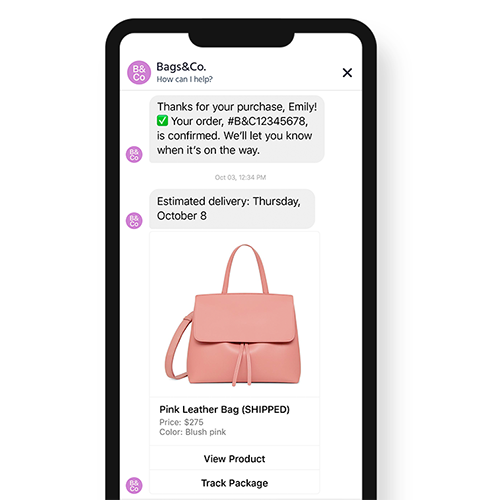
7. Offer Accurate Order Updates

Everyone knows the feeling of anticipation when they place an order. Stores can generate goodwill with their consumers by offering order updates to let them know when their order is processed and sent out. Delivery notifications are also a practical option. Retailers can set this feature up through text, messaging services, or email, so their consumers get the information they need using their preferred communication method.

8. Increase Customer Reviews

Reviews are a powerful marketing tool for consumers — 91% of younger consumers between the age of 18 to 34 rely on online reviews. Therefore, it’s essential to collect reviews for your products. Conversational commerce is a powerful way to automate reaching out for reviews. Set up automated messages after a shopper has received their product asking for quick reviews or surveys. Be sure to ask questions consumers can easily answer from a mobile phone, such as satisfaction ratings, photos of the product, shoutouts on social media, and short written or video reviews.

How to use conversational commerce depends highly on a retailer’s priorities and operations. Before crafting a solution, retailers should consider their store’s goals, identify opportunities for improvement, and look at their current contact options. Some conversational commerce methods will work better than others, so it’s essential for retailers to develop a solution that addresses their unique needs. Testing specific variables will ensure retailers get the most out of their conversational commerce solutions.

Now is the perfect time for retailers to enhance their online stores with conversational commerce. If you’re interested, Quiq is here to help you get started.

Explore conversational commerce for retail with Quiq

Explore Conversational Commerce for Retail With Quiq

Conversational commerce is an ideal way to address the changing needs of consumers in a post-pandemic world. But even beyond COVID-19, your retail business can benefit. This type of platform offers a personalized experience for consumers while improving productivity, supporting customer service, boosting retention, and increasing sales. There are many ways to implement conversational commerce in your retail store, and Quiq is here to help you every step of the way.

Quiq is a conversational consumer engagement platform that helps retailers deliver exceptional customer experiences. Our platform supports messaging across text messaging, web chat, social, Apple Business Chat, and Google’s Business Messages, so you can use as few or as many channels as you need to communicate with your consumer base. With easy integration, multiple bot options, and rich messaging experiences, Quiq has everything retailers need to incorporate conversational commerce into their stores.

Try Quiq for yourself today by scheduling a live demo.

5 Examples of Omnichannel Strategies That Will Boost Your Holiday Sales

This year, holiday shopping will be more digital than ever before. As consumers continue their shift to online channels and major retailers cancel in-person Black Friday sales, brands must quickly adapt through new omnichannel tactics that capitalize on surges in online traffic. Here are five strategies for doing just that.

5 Examples of Top Retailers with Brilliant Omni-Channel Strategies For Holidays

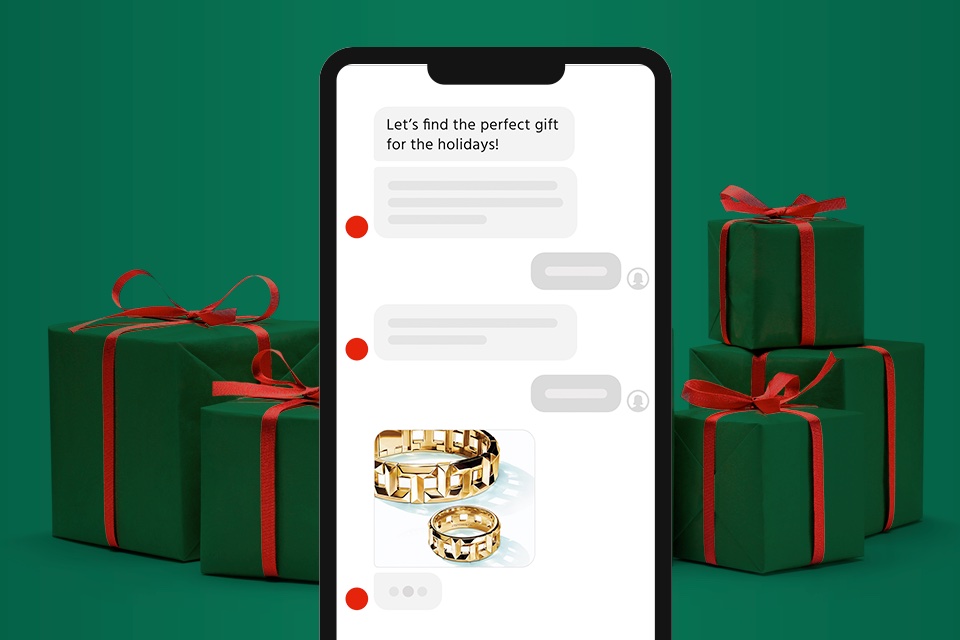
1. The Gift Recommendation Engine – Guided Selling

Digging through endless product listings, looking for the perfect gift, is a tedious and challenging process for holiday shoppers.

However, AI-powered assistants, used by leading brands like Nike Jordan and Lane Bryant, make it easy and frictionless for shoppers to find the precise gift for their recipient.

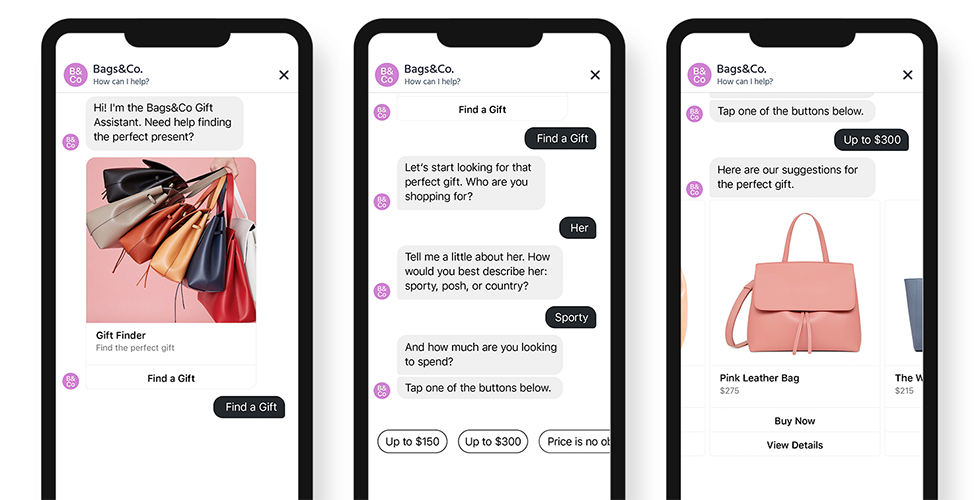
Deployed on your web site, in apps, or social channels like Facebook Messenger or SMS, these intelligent automated agents can quickly interact with users and recommend some great options:

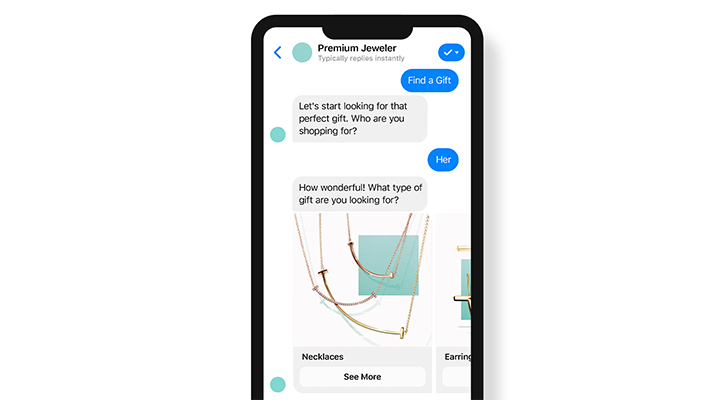
Earlier this year, one of our customers, an Iconic jewelry brand did just that leading up to  another gift-heavy holiday: Valentine’s Day. In previous seasonal campaigns using Facebook Messenger, the retailer’s social managers and sales associates were swamped with the need to respond to customers’ inquiries.

To address this, the retailer deployed an AI-powered conversational shopping feature on Messenger that made personalized gift recommendations at scale. They quickly found that consumers were 4X more likely to make a purchase when they receive such guided sales assistance, compared to those who are unassisted.

By clicking on a social ad, shoppers were seamlessly guided to Facebook Messenger and offered a brief interactive quiz with gift recommendations based on who the gift recipient was, the gender and the price range, selected from a group of products chosen by the retailer for those profiles. The AI-powered assistants also handled free text queries, and customers could shop for products online at the retailer’s site or find the nearest physical store.

Tiffany's Guided Selling Experience

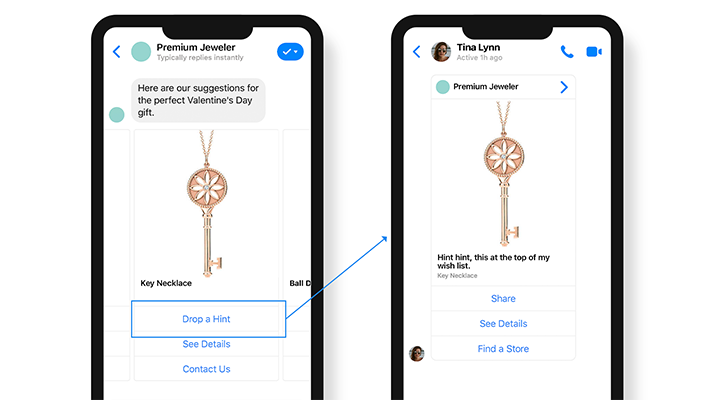
We’ve all had that experience when shopping for a friend, where you discover a product or item that you’d prefer to be on the receiving end of rather than giving. To address this, the iconic retailer also provided shoppers the option to send their friends and family links and images of on Messenger gifts that they want for themselves, accompanied by a small note: “Hint hint…This is at the top of my wish list.”

Drop a Hint Feature - Conversational AI

The results: Half of the quiz takers received a gift recommendation, leading to a 28x return-on-ad-spend (ROAS).

And, because AI-powered assistants love to work all the time, they also helped relieve customer service by efficiently handlings FAQs.

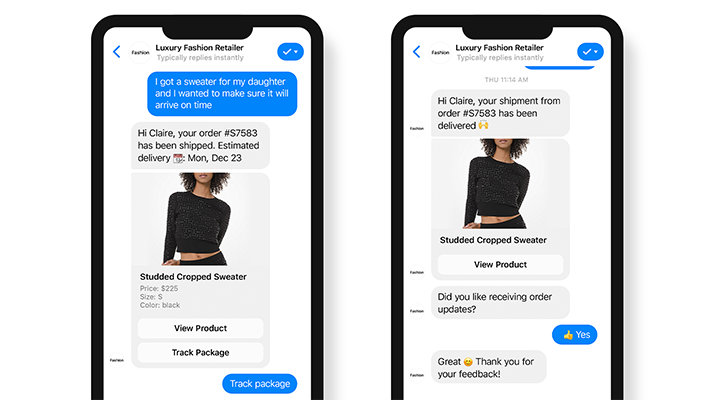
2. Gift FAQ & Customer Service Engine

Gifts purchased over the holidays are wrapped not only in ribbons and pretty paper but are enveloped in countless questions about sizes, style options, and prices. The season of joy is also the season of customer service, a stressful time for brands to handle the massive volume of inquiries.

In fact, 54% of customer service requests are taking place outside regular business hours. A vast number of those requests are happening on messaging platforms since those are channels that consumers already use.

That’s where conversational AI comes in this holiday season. Intelligent chatbots work diligently and accurately day and night, providing a front line for all queries from customers and passing on some queries to human agents only when they get too complex. This allows your team to focus on driving sales and new purchases instead of an endless queue of customer service inquiries.

Gift FAQ & Customer Service Engine

3. Digital Holiday Coupons

One of the best traits of intelligent chatbots is that they never get tired of pointing out the great holiday offers you have. This means that brands can reinvent promotions.

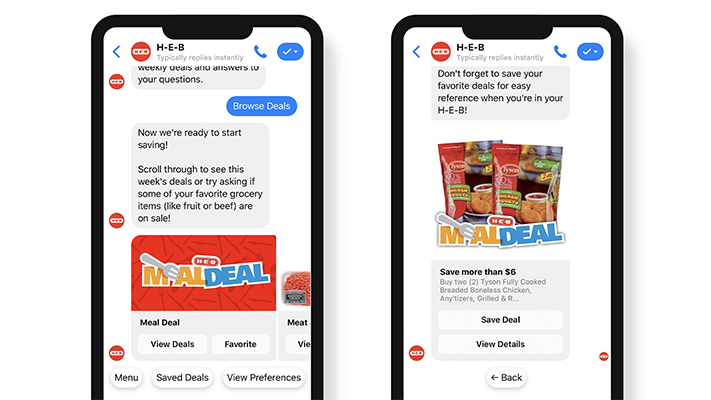
Regional grocery chain H-E-B did just that with their conversational AI. The grocery reinvented discount coupons by delivering them to more than 13 million customers weekly, personalized to the declared shopping needs of the recipients.

Automated notifications let customers browse the deals through button clicks or free text requests, even when they were standing in the store. The open rate for the notifications: 77%. Percentage of opened deals that were saved by users: 70%.

Digital Holiday Coupons

4. Convert Holiday Enthusiasm into Sales

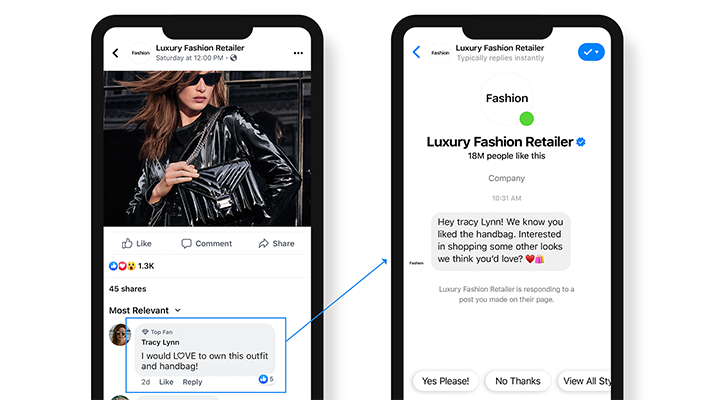
Facebook is a platform designed for engagement and, during the holiday season, that engagement kicks into high gear with shoppers expressing their excitement through post-likes and comments.

This holiday season, Facebook is also offering a nice new gift for marketers. Facebook Messenger is expanding its capabilities to allow marketers to privately message shoppers who have left positive comments on their brands’ posts.

All of those shoppers commenting “this looks awesome!”, “I’ve got to get this for my sister!” can easily be turned from mere commentators into new customers. Combined with conversational AI, this opens up a whole new channel to convert positive comments into sales at scale. See this experience below:

Contact our conversational experts to learn more about this experience.

Contact our conversational experts to learn more about this experience.

5. Turn the Holiday Rush into Real Consumer Insights

The rush of consumers during the holidays is like a large polling sample that can provide tons of answers — if brands can only figure out the questions.

A rush of customers looking for this season’s hot gift item, for instance, could answer a number of questions that help uncover and define your target customer persona.

But the trick is efficiently capturing holiday shoppers’ information, at scale, and quickly turning it into insights.

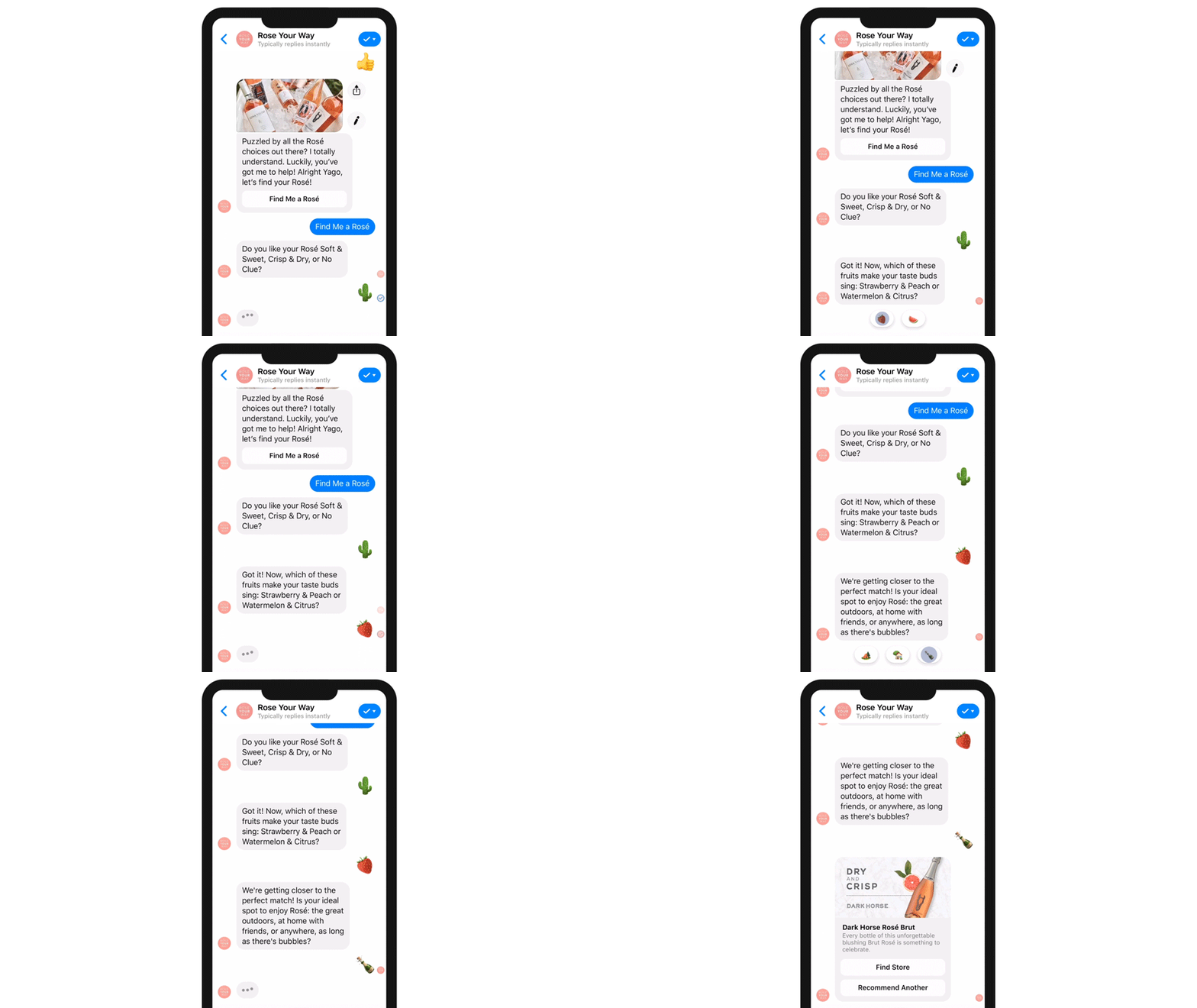
Take California wine and spirits brand E. & J. Gallo Winery. To engage shoppers of their new Rosé product line, they developed “Rosé Your Way” AI-powered experience, which was introduced to consumers via targeted ads on Facebook Messenger, Facebook Newsfeeds, and Instagram.

Gallo Turning the Holiday Rush into Real Consumer Insights

The digital assistants guided consumers through a series of questions to recommend the ideal Gallo Rosé, followed by personalized content that included the best recipes to go with the recommended wine, and finished with a customer satisfaction survey.

The results: 90% of the 25,000 engaged consumers completed the Rosé recommender. Gallo was able to determine the most popular Rosé flavor preferences, drinking styles, and occasions. When follow-up push notifications were sent based on those preferences, 60% of the messages were opened.

Unwrapping It All

With some planning – and the use of intelligent, automated, always-on conversational helpers – brands can soar through the holiday season by building a dedicated fan base attracted to personalized recommendations, customized deals, and prompt customer service attention.

And, when the rush is over, the brand can quickly assess what worked, what didn’t, and what was missing.

Ready to boost your sales and drive higher performance this holiday? See which strategy is the best fit for your organization. Learn more.

6 Ways to Drive More eCommerce Sales This Holiday Season

This year, holiday shopping will shift to eCommerce like never before. Once again, eCommerce sales are projected to grow this holiday season as consumers continue to transition to cyber-week sales.

To capitalize on this season’s unprecedented spike in online traffic and digital purchase behavior, top eCommerce brands are turning to automated shopping assistants that act as key revenue drivers and provide the sort of highly personalized assistance shoppers would traditionally receive from an in-store experience.

Deploying highly intelligent, automated shopping assistants during peak seasons has proven to increase sales conversion rates as high as 4X.

Here are 6 of the most common ways that leading eCommerce brands leverage automated assistants to drive more revenue during the holidays.

1. Proactive Product Suggestions

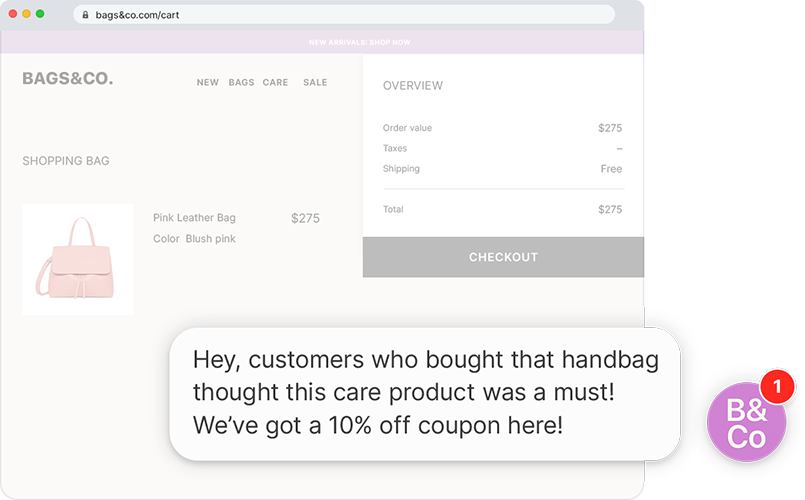
Highly-intelligent, automated assistants are capable of identifying shoppers with high purchase intent and proactively engaging them with upsell opportunities that increase Average Order Value (AOV). For example, when online shoppers add new products to their cart, automated onsite assistants can initiate a conversation and suggest additional products that are frequently purchased along with the items recently added to the cart.

1. Proactive Product Suggestions powered by Snaps

Through such highly-personalized engagements, in a conversational format, eCommerce brands can lift AOV while providing convenient suggestions that support their customers’ journeys.

2. Guided Gift Recommendations

For shoppers unsure of the right gift or product to buy this season, automated shopping assistants can provide personalized suggestions that guide shoppers to the perfect holiday present. Automated onsite shopping assistants can deliver unique gift suggestions through a series of quick questions that touch on the shopper’s price range as well as the gift recipient’s gender, age, and preferences.

2. Guided Gift Recommendations powered by Snaps

Automated gift recommendations have been proven to drive 4x higher sales conversion rates across shoppers who engage in guided sales assistance when compared to unassisted shoppers.

3. Simplify Repeat Purchases

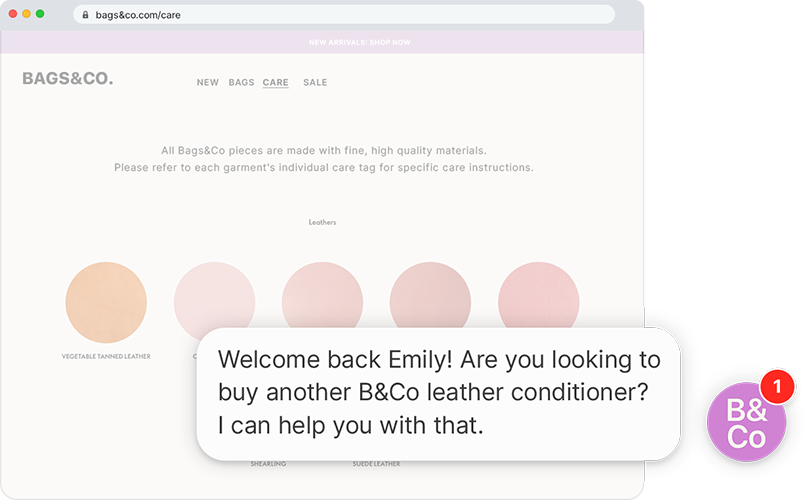
eCommerce brands can also leverage onsite assistants to make the repeat purchase process as seamless and straightforward as possible. By developing persistent profiles based on each shopper’s personalized data and repeat site visits, intelligent shopping assistants can proactively initiate new conversations with returning customers looking to make a repeat purchase.

3. Simplify Repeat Purchases powered by Snaps

By leveraging personalization data to identify and engage repeat customers, eCommerce brands can significantly reduce friction and provide a premium shopping experience for their VIP and returning customers with high purchase intent.

4. Reengage Cart Abandons

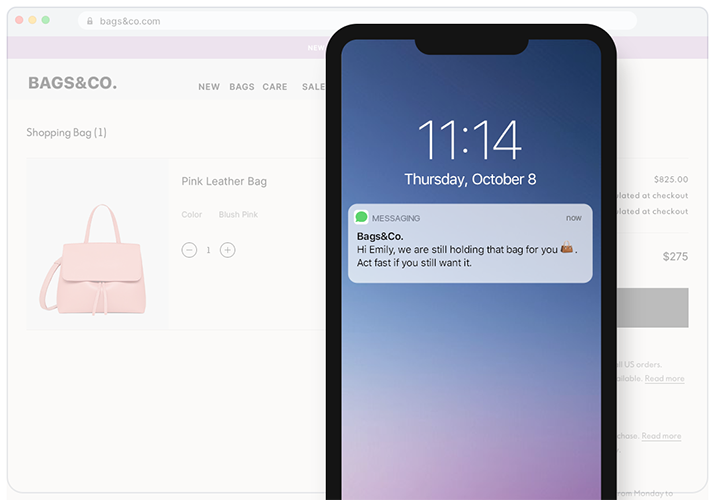
As holiday shoppers contemplate a variety of different offers and products, it’s inevitable for some online purchase processes and shopping carts to be abandoned. By leveraging conversational re-engagements, however, high-intent shoppers can be reminded of products waiting in their carts and be offered special discounts that nudge them into returning and completing their purchase.
4. Reengage Cart Abandons powered by Snaps

By leveraging conversational automation to re-engage abandoned carts, eCommerce brands have been able to effectively recover up to 20% of incomplete purchases with reminders, promotions, and other automated messages.

5. Automate Responses to FAQs

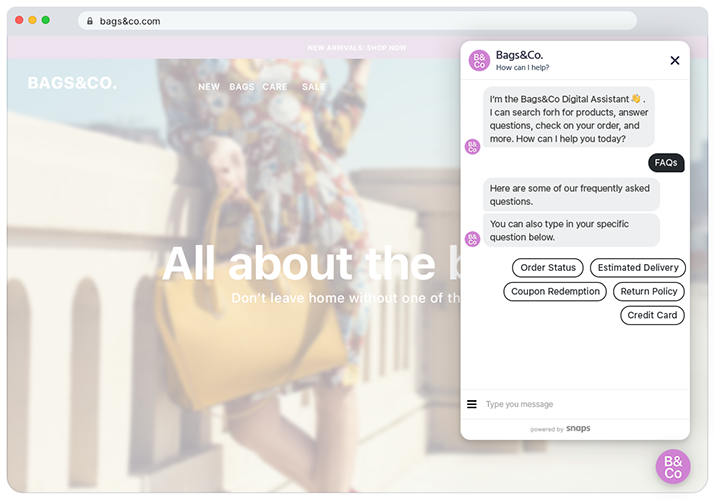
Leading up to the holidays, shoppers have no shortage of questions and concerns related to online shopping, with “will my order arrive on time?” being one of the most frequent. By providing shoppers with automated, 24/7 support that can instantly answer some of their most frequently asked questions, brands can reduce online shopping friction and common barriers to purchase.

5. Automate Responses to FAQs powered by Snaps

Additionally, by leveraging conversational automation to resolve frequently asked questions in a way that is entirely self-service, customer service agents that would traditionally be required to answer these questions can focus on sales-oriented initiatives during the peak holiday season instead.

6. Convert Sales Receipts into Ongoing Channel for Commerce & Care

Lastly, after a purchase is completed, brands can leverage automated shopping assistants to send digital receipts to customers through conversational channels. By doing so, eCommerce brands can convert traditional receipts into a new avenue for ongoing care and commerce.

6. Convert Sales Receipts into Ongoing Channel for Commerce & Care

This post-purchase conversational connection gives shoppers access to an automated channel for order management or to even purchase additional, related products.

Reinventing Online Shopping for the Holiday’s Most Digital Season Ever

The 2020 holiday season will be eCommerce’s most significant moment to date. More than half of US shoppers have indicated that they will not return to shop with a brand following a poor customer experience, so it is vital for CX and eCommerce leaders to deliver the best possible experience during the season’s rush of new online shoppers.

Interested in deploying an enterprise onsite shopping assistant for your brand? Contact us today to learn how you can deploy a bespoke solution for your website and other conversational channels in a matter of weeks.

4 Reasons Why Instant Messaging for Business is Still Crucial

Instant messaging has become a ubiquitous part of daily life for the vast majority of us. We send over 40 million messages every minute, and nearly three billion people use messaging apps like Facebook Messenger and WhatsApp.

Naturally, enterprises with contact centers have responded by giving instant messaging for business a central role in their customer-communication strategy.

Today, we will flesh this dynamic out in more detail. This post highlights some of the most significant impacts of business instant messaging’s rapid growth, touching upon the most popular messaging options and discussing some ways it’s changing day-to-day work.

Let’s get going!

Why is Business Instant Messaging Important?

We’ve already noted that people send lots of messages, which is reason enough to pay attention to them. But, in this section, let’s briefly walk through some more granular reasons why customers want to contact your brand via instant messaging for business.

First, instant messaging is rapidly becoming the preferred method for handling most types of communication. If your customers are anything like the rest of us, they’re probably busy enough to enjoy the convenience of resolving issues asynchronously. Nor is this only the case for younger generations. The popular stereotype is that people with gray hair simply don’t like texting, but surveys have found that nine out of ten adults over 50 send text messages with their phones–which means they’ll likely be comfortable sending business instant messages, too.

Instant messaging also helps you build a better experience, which is always a competitive advantage. Instant messaging for business tends to be perceived as less formal than an email or (god forbid) actually talking to a person on the phone, and it also allows you to proactively reach out with updates, to answer questions, etc. Most of these services also support rich messaging, so customers have a much better experience.

Finally, with instant messaging, it becomes far easier to integrate rich messages and generative AI, but we’ll wait to cover that in much more detail later.

What Instant Messaging Platforms are Available?

One last thing we’ll do before discussing how instant messaging is modifying the relationship between businesses and their customers is go through some of the instant messaging platforms businesses use. Here are some of the main contenders:

  • WhatsApp for Business is a messaging, voice, and video-calling app operated by Meta that enjoys an audience of more than 2 billion global users. Since so many people are already texting on WhatsApp, it’s become a popular channel for companies interested in using it for business instant messages.
  • Facebook Messenger is another offering from Meta. Customer-obsessed businesses like yours should pay attention to it for many reasons, but, as with WhatsApp, its huge audience is near the top. Even better, businesses that deploy quality automation solutions on Facebook Messenger can answer 80% of inbound customer inquiries and achieve CSATs as high as 95%.
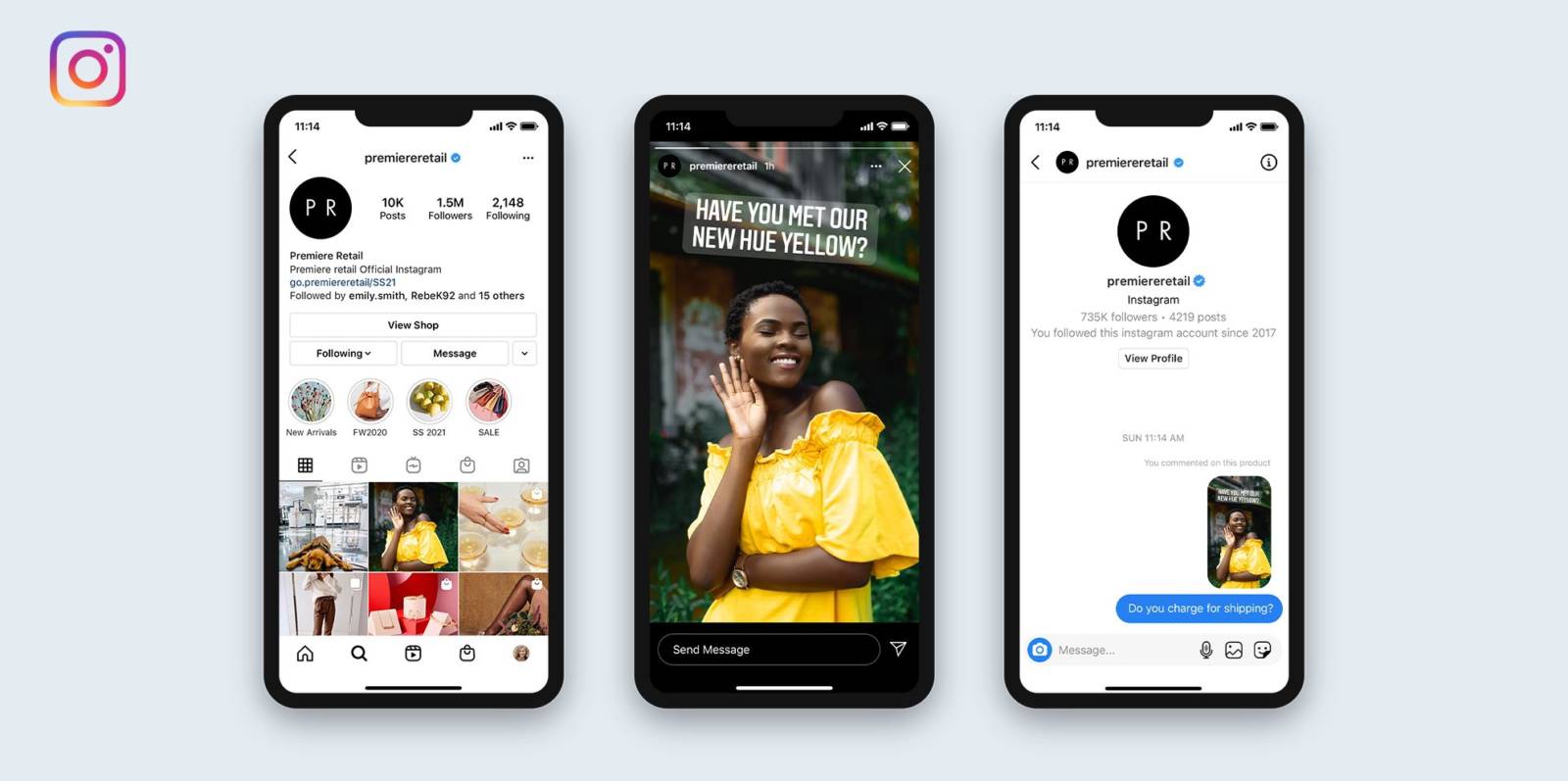
  • Instagram Messenger is worth exploring because it’s a safe bet that a decent chunk of your audience is already interacting with businesses on the popular Instagram platform. A further point in its favor is that it offers a convenient API that will allow you to set up automation to increase your business’s efficiency.
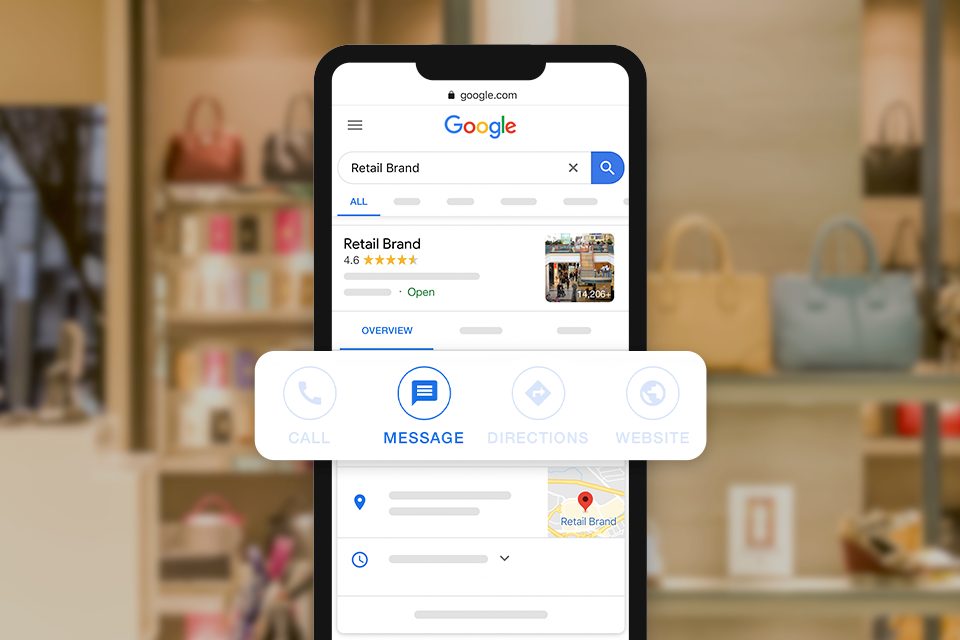
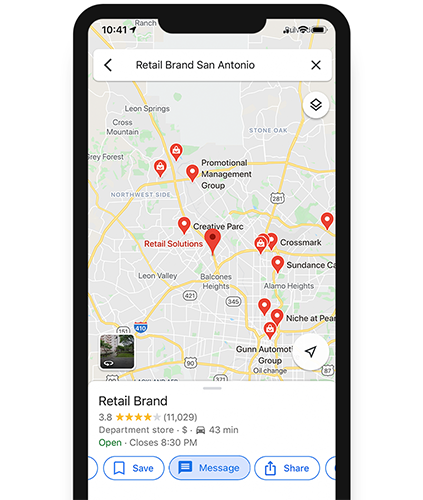
  • Apple Messages for Business dramatically increases your customers’ ability to reach you because it offers a “message” icon in Maps, Siri, Safari, Spotlight, or your company’s website, in addition to offering other touchpoints like QR codes. And, as before, the sheer popularity of Apple and its product ecosystem is another reason forward-looking businesses can’t afford to sleep on its instant messaging capabilities.
  • WeChat is a platform that is extraordinarily popular in China and enjoys more than a billion users. As with the other platforms, there is a WeChat Business offering that allows you to communicate with customers, market your services, and take payments, but to set up a WeChat Business account you have to verify your business license. If you have a large customer base in China, this might be the best option for you.

Of course, there are many other instant messaging for business products we haven’t discussed here, but this should give you an idea of the variety of options available and what’s possible when you invest in them.

The 4 Benefits of Instant Messaging for Business

Now, let’s get into the meat of how instant messaging is changing the business landscape!

1. Instant Messaging is Convenient for Customers

The most obvious place to start is with the major convenience instant messaging for business offers clients.

Customers today seek flexibility in how they engage in personal and professional communication. Businesses need to provide various communication options, including instant messaging, as this offers the asynchronous communication that more and more customers prefer.

Take the example of a customer who initiates a return process during their workday, but can only complete steps, like taking a photo of a damaged item once they’re home. Instant messaging allows for this in a way that phone calls or in-person visits don’t, enabling ongoing conversations that customers can pause and resume as their schedule permits.

2. Instant Messaging Helps Customer Service Teams

So, we’ve established that instant messaging is something customers want. Now let’s discuss why it’s a boon for customer service teams as well.

For one thing, there’s the increase in efficiency, as instant messaging for business enables contact center agents to manage multiple customer inquiries simultaneously. This becomes even more dramatic when automation is used, about which more shortly.

Additionally, instant messaging-based conversations between consumers and businesses simplifies the process of following up with shoppers and keeping accurate data on past communications. When sales or support agents need to have follow-up conversations, they can do so in light of this information, thereby tailoring and personalizing subsequent customer interactions.

When business instant messaging is used to its full potential, it can positively impact your customers’ perception of your brand, which can help close a deal, renew a service, or give potential buyers the push they need to make a purchase.

Put another way: it’s a win for everyone.

3. You Can Leverage The Power of Instant Rich Messaging

Another advantage of this instant-messaging approach is that it enables your contact center to make robust use of rich messaging, which rose to prominence in the early 2000s and is now ubiquitous.

Rich messaging was a substantial advancement over the traditional SMS. Besides allowing you to send much more complex information–such as emojis, high-quality audio messages and video calls, group chats, and GIFs–it also facilitates encryption, superior analytics, and integration with other products.

It’s important not to downplay these advantages. You might initially be reluctant to use emojis in conversations with customers, as this can seem vaguely unprofessional. But the truth is we leave in a less formal age, and speaking the “native language of the internet” by using “lol” and the occasional “ ” will help foster a connection.

4. Instant Messaging and Generative AI

To finish up, we turn to the silicon elephant in the room, generative AI. If you’ve been reading us for a while, you know we’ve had a lot to say about the remarkable power of large language models and how they’re already changing the nature of contact center work.

Well, since these models are largely text-based, instant messaging for business provides an obvious place to use them. When you pair with a high-quality automation platform, you can deploy generative AI to personalize your messages, translate between languages, and even fully answer a wide variety of basic queries–with minimal fuss.

Don’t Sleep on Instant Messaging for Business

As we’ve demonstrated, business instant messaging is a powerful way to reach your customers where they are, fit seamlessly into their lives, and offer a top-notch experience – all while lowering the burden placed on your agents.

As a next step, you might want to learn more about how Quiq enables support through traditional SMS and rich messaging. This should give you everything you need to design a customer experience strategy around instant messaging!

5 Ways Mobile Shopping Is Transforming Customer Service

These days, the vast majority of consumers have their mobile phones on-hand for every activity — particularly when it comes to online shopping. In fact, it has been projected that purchases on mobile devices will make up the majority of ecommerce sales by the end of 2021.
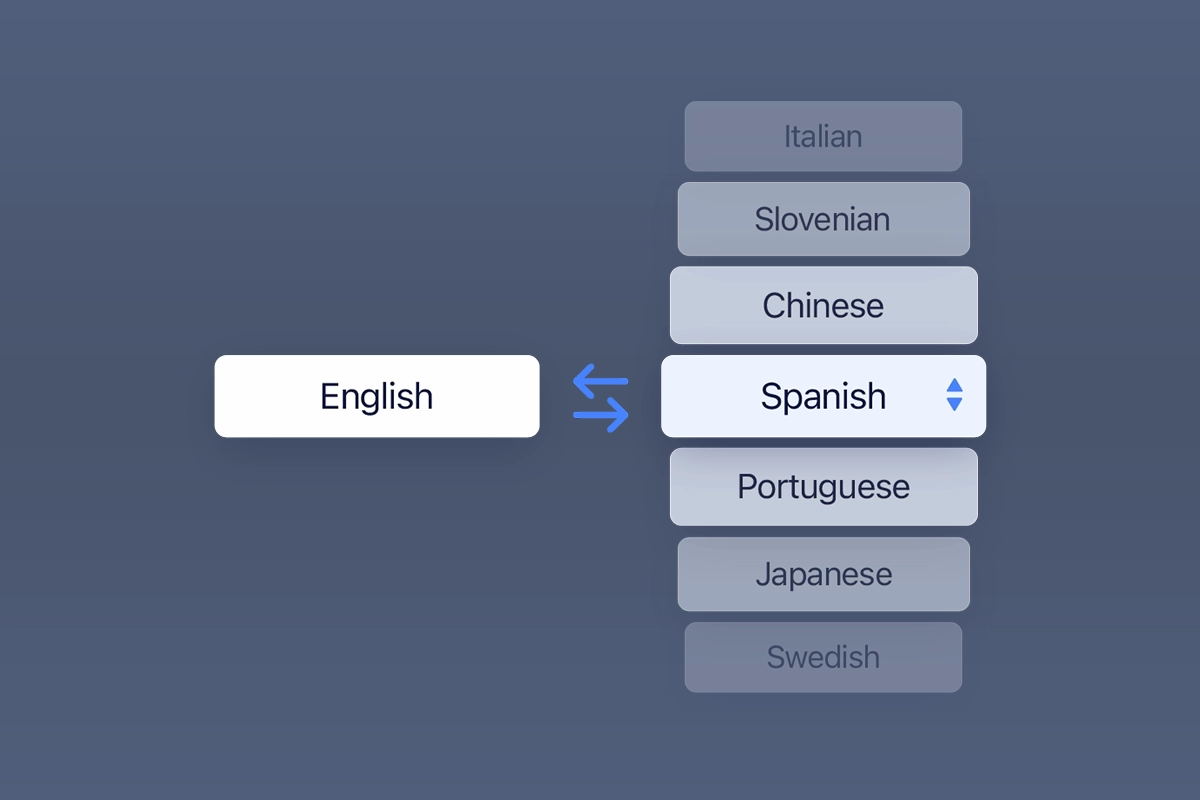
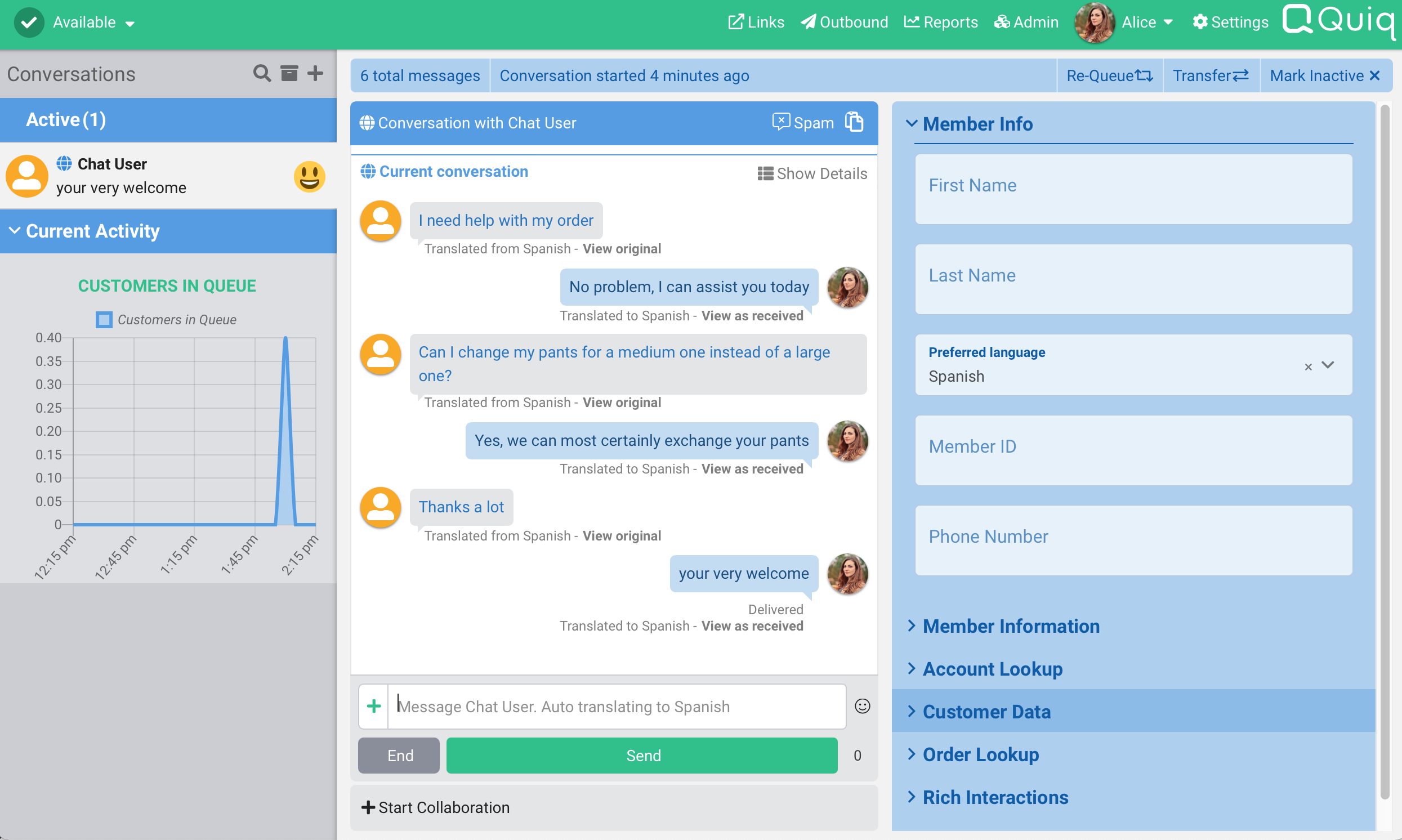
As a result, mobile shoppers are always looking for easy, convenient, and mobile ways to interact with eCommerce brands through social media and third-party messaging services. This increased channel volume  if not managed properly often overwhelms customer support teams, leaving customers frustrated with digital experiences that fall short of expectations and brands struggling to protect their brand image.

On the other hand, consumers’ shift to digital also presents a valuable opportunity for retailers to deliver targeted customer service solutions and enhanced buying experiences that lead to increased conversions and customer satisfaction. Some brands, like TodayTix, have seized the opportunity to provide their customers a more seamless experience.

Here are five ways that customer support has been transformed by mobile shopping and how brands are adapting to ensure that they’re providing the best possible experiences.

1. A Rise in Mobile Shopping Leads to a Rise in Messaging

When it comes to seeking customer service, mobile shoppers leverage a unique set of channels that have required brands to adopt and adapt to. One of the most popular customer support channels for mobile shoppers is contacting brands through third-party messaging services. Today, nine out of ten consumers want to use messaging to communicate with brands and retailers are quickly turning to WhatsApp, Messenger, Google Business Messages, Apple Messages for Business, and more to provide the text-based experiences that shoppers prefer.

Third-party messaging is only second to the most popular channel for mobile customer support — SMS business messaging. SMS provides mobile shoppers with a direct line of communication to a retailer’s support team to exchange information or transactional details.

SMS offers an additional layer of convenience for consumers. With SMS, consumers do not have to be connected to Wi-Fi to have a convenient online shopping experience.

2. Rich Messaging Provides Precise Feedback and Solutions

Mobile shoppers today expect a high level of personalization in both their shopping and support experiences. In order to deliver on this expectation at scale, eCommerce brands leverage rich messaging to provide personalized experiences for each individual shopper. Rich messaging further boosts engagement through dynamic content like quick reply buttons that anticipate the most popular responses, interactive maps, and more.

For example, the Facebook Messenger mobile platform allows business representatives to add images to replies and allow consumers to see a product in question. During these interactions, team members can help consumers complete a purchase, schedule an appointment, or share a link with a preview of a product or service page. Rich media ultimately sends consumers to an ideal destination, faster, for a better shopping experience.

3. Mobile Shoppers Expect Immediate Service on Their Terms

Today’s mobile shopper seeks customer support that is available to answer their questions quickly, at any time of day. Currently, 54% of shoppers reach out to brands during non-business hours over messaging channels like Facebook Messenger and brands are expected to respond in a timely manner.

This cycle of always-on, 24-hour customer service means that support teams can no longer refer to traditional business hours to dictate when their business is open or closed. Customer support must always be “open” or else customers will go elsewhere for their next purchase.

This demand for always available customer support and service doesn’t mean you have to staff your support center 24/7. Many Quiq clients rely on technology to help meet SLA’s. For instance, some clients will only show the live chat icon on their website when there are live agents available to respond. Other brands choose to use automation and conversational AI to help customers with simple, frequently asked questions that can be easily resolved through a bot.

If a shopper needs an answer quickly, they can text an eCommerce business, rather than having to tap through webpages, compose an email, or enter a call queue. Mobile shoppers enjoy the convenience of starting a conversation faster, feel they’re receiving personalized attention, and can reply at the rate they prefer.

4. Demand for More Local Customer Service

While mobile shoppers appreciate support experiences that are both instantaneous and always-on, they also have a strong preference for customer service that can assist them at the local level. Mobile shoppers, for example, often seek information on product availability at their closest store based on their phone’s GPS location.

When mobile shoppers contact customer support, it’s important for both automated and human service agents to be equipped with local store data in order to respond to local-specific inquiries. Channels such as Apple Messages for Business and Google’s Business Messages helps consumers find and engage with your business on a local level. Consumers discover businesses through Google, Siri, or Map results daily with searches like “Tuxedo rental near me”. These channels now offer a convenient way for consumers to initiate a conversation with a location near them via messaging.

[/fusion_text][/fusion_builder_column][/fusion_builder_row][/fusion_builder_container][fusion_builder_container hundred_percent=”no” hundred_percent_height=”no” hundred_percent_height_scroll=”no” hundred_percent_height_center_content=”yes” equal_height_columns=”no” hide_on_mobile=”small-visibility,medium-visibility,large-visibility” background_position=”center center” background_repeat=”no-repeat” fade=”no” background_parallax=”none” enable_mobile=”no” parallax_speed=”0.3″ video_aspect_ratio=”16:9″ video_loop=”yes” video_mute=”yes” border_style=”solid” margin_top=”0px” margin_bottom=”0px” padding_top=”0px” padding_right=”0px” padding_bottom=”0px” padding_left=”0px” admin_label=”5. Increased Mobile Interactions Lead to Further Customer Insight” admin_toggled=”no” type=”legacy”][fusion_builder_row][fusion_builder_column type=”1_1″ type=”1_1″ layout=”3_4″ spacing=”” center_content=”no” link=”” target=”_self” min_height=”” hide_on_mobile=”small-visibility,medium-visibility,large-visibility” class=”” id=”” background_color=”” background_image=”” background_position=”left top” undefined=”” background_repeat=”no-repeat” hover_type=”none” border_color=”” border_style=”solid” border_position=”all” padding_top=”” padding_right=”” padding_bottom=”0px” padding_left=”” margin_top=”0px” margin_bottom=”0px” animation_type=”” animation_direction=”left” animation_speed=”0.3″ animation_offset=”” last=”true” border_sizes_top=”0″ border_sizes_bottom=”0″ border_sizes_left=”0″ border_sizes_right=”0″ first=”true”][fusion_text columns=”” column_min_width=”” column_spacing=”” rule_style=”default” rule_size=”” rule_color=”” content_alignment_medium=”” content_alignment_small=”” content_alignment=”” hide_on_mobile=”small-visibility,medium-visibility,large-visibility” sticky_display=”normal,sticky” class=”” id=”” margin_top=”” margin_right=”” margin_bottom=”” margin_left=”” font_size=”” fusion_font_family_text_font=”” fusion_font_variant_text_font=”” line_height=”” letter_spacing=”” text_color=”” animation_type=”” animation_direction=”left” animation_speed=”0.3″ animation_offset=””]

5. Increased Mobile Interactions Lead to Further Customer Insight

Through additional interactions and touch points from mobile devices, brands are enabled to build more detailed and personalized customer profiles to reference. Through customer inputs like mobile numbers and location data, eCommerce brands can create a foundation for more tailored, future engagements. Analyzing a mobile shopper’s purchase history, for example, can inform timely offers in the future to reinforce customer loyalty.

The Most Versatile Platform for Mobile Shopping Customer Service

With its numerous impacts on customer service, there is little doubt that the accelerated pace of mobile shopping will continue to transform the support sector. Adapting to these changes, however, provide significant opportunities for businesses to forge stronger relationships with their customers and build stronger businesses.

Is your brand looking to modernize your customer service experience? Contact us today to learn how to provide diverse and personalized customer service for mobile shoppers.

Business Messages from Google: What it Means for eCommerce and How to Get Started

Google announced the expansion of Business Messages to their Search and Maps products in June of 2020. With this change consumers are provided the option to message brands directly and ask for the information they are looking for when searching for a business on Google. Quiq has learned a lot about how consumers engage with Business Messages. Read on or reach out to learn more.

The Impact of Google’s Business Messages on Customer Experience

First, this opportunity provides a new channel for consumers to connect with brands through their preferred conversational format. According to a recent Twilio study, nine out of ten consumers said they prefer to use messaging when communicating with brands. By automating Business Messages on Google, brands have the opportunity to reroute a significant volume of inbound inquiries through a channel consumers prefer — self-service messaging.

Additionally, brands that automate Business Messages through Google Search and Maps provide their customers a superior customer support experience that is capable of delivering immediate answers and feedback, 24/7. By being available for customers with immediate, around-the-clock support, retailers are able to drive customer loyalty while simultaneously rerouting support issues from call centers to a new, self-service channel.

Retail and eCommerce Use Cases for Messaging Consumers Through Google

Combining intelligent AI and Google Business Messages provides clear value to eCommerce retailers through three primary use cases:

1. Resolving Customer Support Inquiries for Local Business Locations

First, brands are now empowered to deliver automated customer support to shoppers looking for information from a specific, local business location.

GMB Blog-Inside-1.png

For example, when a customer based in San Antonio searches for their favorite local grocery with the keywords “GroceryBrand San Antonio” they will be provided an option to start a Business Messages conversation with that specific store. With an intelligent automation solution, brands are then empowered to provide customers with specific answers and information related to individual locations. Questions like “what time does your store close?”, “Do you have this particular product in stock?”, or “What is this location’s COVID policy?” can now be answered in a way that is instantaneous, always-on, and without support from a call center.

2. Implementing a First Line of Defense for General Support Inquiries

Brands are also now empowered to position automated support through Google’s Business Messages as their first line of defense for all customer inquiries ⁠— not just questions related to an individual business location. For example, a shopper that has an inquiry about a product that they purchased online is now able to search for the brand that they purchased it from, start a Business Messages dialogue with that brand, and get the answers they need in an entirely self-service manner.

3. Driving Leads and Sales Through Conversational Commerce

In addition to driving efficiencies in customer service, automated conversations through Google’s Business Messages also empower brands to support sales and drive incremental revenue through consultative shopping assistance.

GMB Blog-Inside-3.png

For example, when shopping for a new vacuum cleaner online, customers can search for their favorite brand name on Google, open a messaging dialogue through Business Messages, and ask a question like “What vacuum should I buy for my hardwood floor?” By combining Google’s Business Messages with automation, brands can then provide a series of consultative questions and answers to understand the shoppers’ preferences and direct them to their ideal product for purchase.

What to Look for When Evaluating Partners to Help Get Started With Google’s Business Messages

While retailers may be eager to deploy a new messaging channel through Google, it is important for them to be prepared with the right tools and tactics to automate the sudden influx of customer inquiries that it will yield.

But what are the important things to look for while evaluating automation solutions? When our enterprise partners describe what has enabled them to be successful, we often hear that messaging partners must be able to:

  • Deploy highly-personalized AI-powered conversations

    Modern consumers demand personalization in their online shopping experiences and interactions with AI-powered digital assistants are no different. A recent Gartner report found that brands that deploy personalized messaging can expect a 16% greater impact on commercial outcomes than retailers who deploy basic automation that is incapable of personalizing their experiences.

  • Deliver actionable insights that empower every team

    When engaging in thousands of automated conversations with customers, eCommerce retailers generate a significant amount of customer data that has limitless potential and value for their various teams. Without the assistance of an experienced automation partner, however, this valuable data and insight simply goes to waste. By partnering with an enterprise-tier partner, like Quiq, retailers can ensure that they are properly gathering consumer insights through conversational automation and are able to synthesize that information into practical insights for different teams across the entire organization.

  • Provide hands-on support through a team of award-winning automation experts

    Conversational automation is a complex undertaking for any enterprise business and hands-on support is vital for ensuring its success. An effective automation solution is the result of a collaboration between internal teams and a proven, experienced team of conversational experts that can consult on strategy, integration, conversational design, and ongoing optimization.

Ultimately, while Google’s Business Messages provides online retailers a significant opportunity to connect with their customers more, it has to be deployed in the right way to leverage its full capability and avoid common pitfalls and complications. If you are interested in learning more about getting started with deploying automated messaging through Google, please schedule a free consultation with one of our conversational experts today.

Instagram’s New Messenger API – What It Is And How Your Business Can Use It

During their annual F8 Refresh conference, Facebook announced the Messenger API for Instagram has exited beta and is now available to all businesses looking to forge deeper relationships with their customers through scalable, 1:1 conversations.

The new API enables consumer brands to scale automated conversations within Instagram Direct Messages and presents a strategic opportunity to deliver premium customer experiences on one of today’s most popular social networks.

Common Uses

  • Send and receive text, media, stories, etc.
  • Retrieve conversation history from the IG business inbox.
  • Respond to public comments with private messages.

The API is open to all businesses. Prior to this release, brands handled customer conversations in one of two ways: either by  interacting with consumers on Instagram directly or using Facebook’s unified business inbox. Not surprisingly, these options were limited by how they can be used and what a business can do with them.

The Messenger API can be integrated into any third-party application used to manage customer communications including social media management platforms like Hootsuite or Sprinklr, CRM applications like Salesforce or Oracle, and messaging platforms like Quiq.

According to Techcrunch the Messenger API will be available in a phased approach. Phase 1 will allow business accounts with 10,000 to 100,000 followers to connect to the API first. In July (Phase 2) Facebook will connect accounts with 100,000 – 1 million followers. Future updates will include all other accounts by the end of the year.

Before getting started with the new Messenger API, a brand must have access to the following:

  • An Instagram Business Account or Instagram Creator Account
  • A Facebook page connected to that account
  • A Facebook developer account that can perform tasks on that page
  • A registered Facebook app with basic settings configured

Generally, brands that work with Quiq have an Instagram account and Facebook page set up. Our team of knowledgeable conversation experts will handle the developer page and Facebook app setup for you.

How Businesses Use Instagram’s New Messenger API

Facebook reports that 500 million accounts visit Instagram’s stories daily and 130 million Instagram accounts tap on a shopping post to learn more about products every month. Given the widespread adoption of Instagram and more specifically, the engagement with shopping and product-specific posts, brands must develop a messaging strategy that includes Instagram in order to compete.

Here are four ways to get started with the new Messenger API:

1. Engagement: How To Start Conversations on Instagram

Perhaps one of the most important new features of Messenger’s API support for Instagram is the ability for  customers and brands to initiate automated conversations through various entry points on the platform.

Customers can start conversations with businesses through the brand’s Instagram profile page.

Instagram Stories have also been enhanced to provide an additional opportunity for brands to initiate automated 1:1 conversations with customers.

Customers browsing Instagram Shops can also start conversations with brands when they have product or shopping-related inquiries.

Consumer brands can now initiate 1:1 conversations with shoppers who leave questions and comments on brands’ posts.

By integrating Messenger’s API Support for Instagram with highly-intelligent conversational automation, businesses can initiate conversations at each of these entry points and deliver highly-personalized messaging experiences — entirely at scale.

2. Consideration: Addressing Product Questions and Concerns

After driving shoppers to 1:1 conversations on Instagram, brands can leverage conversational automation to provide answers and responses to customers’ frequently asked questions.

By addressing customer inquiries directly within Instagram, brands can further ensure a comprehensive online shopping experience without ever leaving the platform

3. Purchase: Helping Shoppers Find the Right Products 

Consumer businesses can also use automated conversations within Instagram to help drive shoppers to purchase.

By leveraging Messenger’s API support for Instagram, brands can provide shoppers with guided shopping experiences that deliver highly-personalized product suggestions based on their conversational inputs.

4. Care: Seamless Order Management and Support

Lastly, after making a purchase, customers can leverage conversations within Instagram to get post-purchase order updates and more.

Through this experience, shoppers can receive immediate responses to their current order status and more.

Try Instagram’s New Messaging API Yourself

Before you dive into deploying Instagram Messaging, you may want to experience it for yourself. Original Coast Clothing (OC) is a fictional clothing brand created for the purposes of showcasing Instagram’s features.

Try it now by searching for Original Coast Clothing on Instagram. You can initiate a conversation by tapping the “message” button. This demo should serve as inspiration for brands looking to deliver a great customer experience using both automation and live agents.

Getting Started with the New Messenger API for Instagram

As the new API exits beta and becomes widely available to consumer brands, many businesses are eager to get started using it to provide highly-personalized and scalable customer experiences on Instagram.

Learn how to deliver scalable customer experiences on one of today’s most popular channels: Instagram.

Introducing Quiq Translate

Key Takeaways

  • Quiq Translate automatically translates incoming messages from customers into the agent’s preferred language and outgoing agent replies into the customer’s language, while preserving the original text.
  • The system works across many messaging channels (SMS, web chat, social messaging, etc.) and supports over 100 languages out of the box.
  • The platform detects a customer’s language automatically and then uses agent-configured supported languages to decide when to translate. Agents can also manually set or override language choices. 
  • Both original and translated messages are stored in conversation transcripts, and agents/managers can view both versions to ensure nothing is “lost in translation.”

We’re excited to announce the launch of Quiq Translate, a new feature that translates multi-language exchanges between customers and agents. With Quiq’s language translation services Quiq Messaging is enhanced to support the automatic translation of incoming and outgoing messages in a conversation.

Quiq’s digital conversation platform drives operational excellence in digital customer support and service with features that teams can use to manage and measure cross-channel messaging in a single intuitive workspace. With Quiq Translate, companies can translate over 100 languages making messaging even more accessible and convenient.

Why Translation Matters To Your Business

For many companies, providing service and support In their customers’ preferred language can seem daunting. How do you communicate in multiple languages and provide excellent customer service without hiring a native customer support agent for every language out there? Let’s start with another question – why should you?

There are a lot of great reasons our clients use Quiq Translate, not the least of which is making support more accessible to the people they serve. Let’s discuss a few of the more common driving factors that make multilingual customer support key for businesses to provide positive customer experiences. The kind of experiences that build trust and loyalty.

  • Your company’s growth

Customers become more linguistically diverse as businesses gain international buyers, or expand to new markets. As your company expands, you’ll need to remain sensitive to your customers’ needs. A global company with operations or offices in many different countries, has to communicate in multiple languages to provide excellent customer service. But the need to offer support in a customers’ native language isn’t just for big multinational companies. Even if you’re doing business in the US, the changing market requires multilingual customer service and support.

  • Changing demographics 

Every year, the U.S. Census asks survey recipients if they speak a language other than English at home. If the respondent answers “yes”, they are then asked “How well does this person speak English?”. Any answer other than “Very well” defines the respondent as Limited English Proficient (LEP).

Of the total US population, LEP individuals now account for about 9%. The consumer buying power of Limited-English proficient populations will continue to show considerable growth. Hispanic and Asian-American populations alone represent 70% of LEP consumers in the United States, and providing excellent language services means not missing out on the opportunity to connect with and serve new markets.

  • Security

Interacting with customers means highly sensitive data can be shared during the support interaction. When engaging with Limited-English speaking customers, companies may give agents the freedom to use free online translation tools, this can leave the door open to data leaks and not give the organization full view of the engagement.

<>If you think you need to hire agents with language specific skills, customer service interpreters, or professional translators, think again. It’s possible to enable fast, cost effective translation services with Quiq Translate to deliver superb customer service.

Translating Your Digital Conversations With Quiq

Agents specify which languages they can handle. The language of the conversation is detected based upon the customer’s message. If the agent doesn’t speak the customer’s language, incoming messages are automatically translated. The agent can still see the translated message and the original untranslated message.

Outgoing messages from the agent are automatically translated, so customers receive responses in their preferred language. Both the original and translated messages are stored as part of the saved message transcript.

Better Agent and Customer Experiences

Working as a customer service representative can be challenging, especially when managing multiple customer queries and claims. One of the most compelling reasons our clients choose to shift to digital channels is that asynchron

ous engagement makes it easy for agents to handle multiple conversations at one time.

A boost in productivity is just one advantage that messaging has over other methods like phone calls and emails. Add to that the absence of noisy environments that make it difficult to carry on a phone conversation, the ability for the customer to pick back up on a conversation when it’s convenient for them, and automation features like chatbots that make routing, queuing, and self service faster and more accurate and you see why messaging makes for good communication.

But language barriers can get in the way of good communication. Providing your teams with the right tools will enable them to better handle customer requests and keep them motivated. The benefits for support teams are both quantitative

, with less calls and substantial time saved, as they are qualitative: the dialogue with customers is also improved.

More Languages, One Workflow

Quiq Translate is a native feature of Quiq Messaging and available on all messaging channels. Messages are automatically translated in over 100 languages across the most popular digital messaging channels, including SMS/text, Apple Messages for Business, Google Business Messages, webchat, Facebook, Twitter, and more.

Quiq Messaging Administrators have the ability to enable or disable the Quiq Translate feature with a quick toggle in the Admin UI. Once enabled, agents can set their preferred language, which is the language messages will be translated to. Quiq automatically detects the customers’ language or agents can manually select the customer’s preferred language, or the customer can select and set their preferred language from a list.

Once preferred languages are selected, Quiq Translate does the rest. For example, an agent has their preferred languages set to English. If they accept a conversation and the messages are in Spanish, Quiq Translate will automatically translate Spanish messages to English for the agent and any English responses will be translated to Spanish when the customer receives it.

The agent can view all messages as they were originally sent. The ability to toggle between the original message as it was written by the customer and the translated messages ensures that nothing, quite literally gets lost in translation.The conversation history can be viewed by agents, and managers within the systems they already use. Our platform integrates with the CS tools you already use such as Salesforce, Zendesk, Oracle Service Cloud, and Shopify, so you can get started quickly. Or simply use our APIs to build custom integrations for what you need.

The City Of Knoxville, Quiq Translate In Action

The City of Knoxville, which has been piloting the technology, said that Spanish speakers are one of the fastest growing groups in the Knoxville area. The City is eager that its services reach this population, many of whom prefer mobile devices and text and messaging as their preferred method of communication.

“We’re trying to reach people where they are and speak to them in the language they’re most comfortable with,” Russ Jensen, director of the 311 Center for Service Innovation, said. “We want them to feel safe asking for help.”

The City has been working closely with Quiq for nearly a year. In April 2020, they launched a Covid-19 chatbot to help residents get important information related to Covid-19, such as a symptom checker, or to access services such as food banks.

Knoxville’s 211 service now has a chatbot available in English and Spanish with more languages on the way. Carter Hall, with the City of Knoxville, says that Rundia, an East African language is next.

Ready For Multilingual Customer Service and Support?

The world is getting smaller and more connected, and businesses are growing on a global scale. Language can no longer be a barrier to this. You can easily deliver exceptional customer service regardless of your customers’ preferred language with the help of Quiq’s Messaging Platform and Quiq Translation.

Schedule some time to speak with one of our conversation experts to learn how you can serve more consumers in their preferred language using Quiq Translate.

Frequently Asked Questions (FAQs)

What is Quiq Translate?

Quiq Translate is a built-in feature that automatically translates customer and agent messages in real time, allowing seamless multilingual conversations without the need for external translation tools.

How does automatic translation work in Quiq?

When a customer sends a message, Quiq detects their language and translates it into the agent’s preferred language. The agent’s reply is then automatically translated back into the customer’s language before being delivered.

Which languages does Quiq Translate support?

Quiq Translate supports over 100 languages across messaging channels like SMS, web chat, WhatsApp, and social platforms. This ensures consistent communication regardless of the customer’s preferred channel or language.

Can agents control or override translations?

Yes. Agents can view both the original and translated text, and they can manually set or adjust the customer’s language preferences at any time during the conversation.

Is the original text preserved for records or audits?

Absolutely. Both the original and translated versions of every message are stored in the conversation transcript, ensuring full transparency and context for quality assurance and compliance reviews.

Why is built-in translation valuable for customer service teams?

It removes language barriers instantly, shortens resolution times, and allows support teams to help global customers without relying on external translators or language-specific agents.

What Your Customers Think About Using Customer Service Chatbots

Chatbots have become very popular because they save time and resources by automating customer support services. Bots are often used to address common customer inquiries, allowing human agents to focus on solving more complex problems.

We’ve seen our share of bots go to work within organizations. There’s a long list of companies that have been able to lift productivity, boost customer retention, increase customer referrals, and facilitate a better overall experience for their customer.

With all these benefits, there’s still an important question that might be nagging you. What do your customer’s think about using bots in their interactions with you? Read on and find out.

What do consumers think about chatbots?

Before we dive in, let’s consider the knowns.

  1. Consumers hate to wait

In a survey of “more than 2,500 consumers, nearly 60% of respondents believe that one minute is too long to be on hold,” PRWeb reports. “In addition, 32.3% of consumers believe that customer service departments should be answering immediately—with no hold time.”

  1. Customer experience is more important than ever

Not only do 80% of customers believe that the experience a company provides is as important as its products and services, according to Salesforce research. more than two-thirds (67%) say their standard of what defines a good experience has been raised. With 76% of consumers and business buyers saying that it’s easier than ever to take their business elsewhere, the pressure is on for organizations to get the customer experience right.

Chatbots aren’t the silver bullet to correcting any and all service issues, but they can complement the support experience. Chatbots often act as the front line, giving customers a quick friendly greeting and providing answers to common questions — fast. And because we know that #1 holds, whether we’re talking about waiting in line for coffee, or waiting in a queue for support, it’s important that companies respond to customers quickly.

  1. Most consumers have already interacted with a bot

Voice of customer (VoC) platform Usabilla released a report showing that humans love AI and chatbots.The company surveyed 1,000 US consumers in August 2018 who used customer service options such as FAQs, chatbots, or automated options that allowed them to completely avoid human interaction for a customer service issue.

Nearly three out of four (70%) respondents said that they have used chatbots already, and of those who have not, 60 percent said that they would feel comfortable doing so.

All of these findings back what everyone already instinctively knows. Consumers want real-time interactions, and chatbots deliver. According to research, the majority (86%) of consumers would choose getting an answer from a chatbot over filling out a form on your website.

Why Consumers Like Using Chatbots

According to ZDNet, 54% of consumers would always choose a chatbot over a human customer service rep if it saved them 10 minutes. There are three simple reasons why consumers like using chatbots:

  • Always On

Chatbots don’t need coffee breaks, holidays off, or long weekends. Chatbots are the always-on extension of your contact center. Customers like that they can get some support no matter when they need it, even if it’s outside of your normal business hours.

  • Fast Responses

Unlike human agents, chatbots can access information with greater speed and consistency. Consider how quickly a bot can look up an order and provide a customer with a tracking number. Even transferring the customer’s conversation, either to another bot or to a human agent, happens with a lot less frustration and friction from the customer’s end than, say, being placed on hold during a phone call.

  • Convenient Access

With so much time spent on their phones, consumers appreciate how easy it is to engage with and respond to a chatbot on mobile messaging. Customers get the help they need, when they want, and wherever they prefer. Rich messaging experiences, such as those provided by Apple Messages for Business and Google’s Business Messages are examples of how bots can present options to schedule appointments, add products to a shopping cart, or look up order information. These experiences are beautifully-designed, media-rich, and offer simple touch targets for customers to engage on-the-go.

How Consumers Use Chatbots

Chatbots are on the company front lines in a wide-range of industries. Research shows that there are even some transactions that the majority of consumers expect to do without any human interaction.

Things such as scheduling appointments, receiving order status, updating personal information, and getting updates on recent transactions are common customer inquiries easily handled by bots. But, chatbots aren’t just for common, redundant tasks.

In the Forrester Webinar “How to Successfully Deploy Messaging and Bots In Your Business,” we heard from two very different companies using messaging and bots. Devlin O’Neill discussed how Lululemon is using bots to help retail customers find the right product, while Thomas Crawford from the Mortgage Center spoke about helping homeowners refinance.

As stated above, consumers are becoming more comfortable with chatbots. The reason is clear – whether it’s getting a product recommendation, promotion, or a reminder that their credit union can refinance their home, consumers want to get the information they need fast. If they feel like a solution gets them information more quickly and allows them to achieve a goal (like getting a better mortgage rate), they’re more likely to engage with it and feel satisfied with that interaction.

Redefine Support With A Chatbot In Your Organization

When the experience is done right, consumers love engaging with bots. Your customers will expect to find your bots to be quick, easy, informative, friendly, and dare we say, sometimes a little fun.

Quiq’s digital engagement platform enables you to design and deploy bots across your entire organization on all of the channels your customers want to use. Any combination of native Quiq customer service chatbots, bots developed in third-party bot platforms and human agents can participate in a conversation. Schedule some time with a conversation expert to see how bots can go to work for you and your customers.

Formal vs. Casual: Which Style Is Best for Customer Service?

Key Takeaways

  • Use formal tone for B2B, medical, and legal contexts. In situations involving business clients or serious matters (e.g., medical or legal), a formal style can help build trust, maintain credibility, and demonstrate respect.
  • Adopt a casual style for B2C, lifestyle & consumer goods. For most consumer-facing contexts, a more informal tone helps agents appear relatable, friendly, and engaging.
  • Match customers’ style when uncertain. If you’re unsure which tone to adopt, mirror the style customers use (e.g., their level of formality, use of emojis) to create a more comfortable conversation.
  • Organizational or internal rules may override style guidelines. Even if more casual or formal tones make sense in theory, internal documents, brand voice policies, or management directives may require agents to adhere to set styles.

How to Win Over B2B Customers and Build Trust

Interactions with business-to-business (B2B) customers are usually best suited for formal language. The goals are to increase trust and solve problems for current or potential clients while maintaining high standards.

A formal tone supports those aims and allows customer service experts to nimbly navigate corporate structures. Agents may engage with several decision-makers to guide their choices. Formal language shows a consistency that impresses people from highly structured industries.

Questions about using a formal vs. informal communication style also arise when helping customers with medical or legal issues. Those people frequently reach out when dealing with serious matters. A formal style is typically best for handling them, even when addressing consumers.

An informal style could make people conclude customer service agents don’t recognize the severity of their circumstances. They could also decide getting in touch was a mistake and go elsewhere for help — creating missed opportunities for agents and their employers.

How to Facilitate Better B2C Interactions and Stay On-Brand

Business-to-consumer (B2C) conversations succeed when shoppers connect with entities that address their unmet needs and make things easier or more enjoyable. Adopting a casual style for most B2C interactions works well because it allows agents to come across as highly relatable and well positioned to understand individual situations.

Conversations about lifestyle products or consumer goods often resonate more with shoppers when customer service agents use informal wording. This approach lets service specialists avoid overly stuffy language.

Adopting informal language can also aid customer service messaging specialists who want to excite or inspire. Keeping the interactions casual supports a team’s efforts to convey how products tackle potential buyers’ challenges.

Many B2C companies gain ground in competitive marketplaces by using a humorous tone. An informal style supports such lighthearted approaches when they make sense for the audience or the products being sold.

Formal vs. Casual: Which Style Is Best for Customer Service?

No universal rules define formal vs. informal business communication, although the above examples provide useful starting points. If service teams feel unsure, following customers’ leads by mimicking the styles they use is an excellent practice. The use of emoticons can also help clue someone into the fact the person on the other end prefers informal language.

Employees who interact with customers may have internal documents or their supervisors’ orders to follow as well. Those elements take precedence over broader advice about how best to handle communications.

Learn How to Boost Survey Responses

Decisions about when to use formal vs. informal communication illustrate the evolution of how people engage with brands. The Quiq Conversational Customer Engagement Platform supports today’s business messaging needs by personalizing communications through consumers’ preferred channels. Contact us today or request a demo to learn about the benefits of instant messaging and text messaging in formal and informal settings.

Frequently Asked Questions (FAQs)

When should I use a formal tone in customer service?

Use a formal tone for B2B clients or sensitive situations (e.g., medical or legal issues) where professionalism and trust are key.

When is a casual tone more effective?

A casual tone works best in B2C settings, where warmth and relatability enhance the customer experience.

How can I decide which tone to use?

If unsure which communication style to use, mirror the customer’s tone and style, including their level of formality or emoji use.

Can humor be part of customer service communication?

Yes, many B2C brands use humor to make interactions more engaging and memorable when appropriate for the audience.

What if my company has its own tone guidelines?

Always follow your company’s internal brand or communication policies first, even if they differ from general tone recommendations.

Pella Resolves Pane Points with Messaging

Pella Corporation is a leading designer and manufacturer of window and doors.  Pella has over 7,000 team members, 17 manufacturing locations, and more than 200 showrooms across the country. Pella supports every step of the customer’s journey, from design to installation, and support after the sale. Pella’s unique advantage is that they distribute where their customers want to buy, through exclusive Pella distributors and custom builders, to big box retailers like Lowe’s.

Pella is committed to exceeding customer expectations, and that includes customer support. Pella recognized that strong sales growth directly impacted the need to scale their contact center. The company turned to Quiq’s Messaging platform to achieve efficiencies such as a 98% faster resolution time with messaging vs. email.

Pella Rolls Out Customer Support Messaging

Pella's shift to customer service messagingPella partnered with Quiq to implement messaging and went live with the platform in January of 2020 within the corporate contact center. The plan was to start with a subset of their customers and agents, build something and then learn from it.

The first Rollouts included:

  1. Messaging support for Pella’s National Account Sales Reps, who service some of Pella’s largest B2B customers like Lowe’s.
  2. The company chose four phone agents to go live with the messaging channel.
  3. The agents were provided with 2 hours of hands-on training and then allowed to spend time practicing with the system.
  4. Pella sent out a communication to their sales reps to promote the channel explaining how the new messaging channel worked and when it would be available.
  5. Regional Managers were invited to a virtual meeting to unveil the new channel and were excited about this new support channel.

The Pella team was impressed with how smoothly the launch was executed and chose to expand the launch to include an Order Status chat bot that would handle any requests for Order status. This bot supports the sales reps and B2B customers as well.

  • Pella designed the order status bot, which includes an integration with Pella’s order system
  • The bot is also able to seamlessly hand off any conversation that goes beyond order status or requires further research to a group of contact center agents.
  • With the help of the Quiq team, Pella was able to deploy the new bot quickly and effectively.

Flattening the Contact Center Growth Curve

Adoption began almost immediately. Volume quickly ramped up as many of the sales reps became early and eager advocates for messaging, sharing their experience with colleagues. Both agents and reps love the ability to share screen shots, gifs, and links within their conversations to quickly exchange information. Today, the entire National Account Support team takes conversations from sales reps. Agents typically handle up to 3 simultaneous messages at a time with the average conversation lasting 5 minutes.

Prior to the implementation of messaging, the contact center received thousands of phone calls and emails from sales reps. Since implementing SMS, at least 15% of phone calls have been deflected to the messaging channel.

Messaging helps sales reps get the information they need faster, making in-home meetings with customers more efficient. Now resolving something over text takes an average time of 8 mins on SMS vs. emails that could sit in a reps inbox, and were averaging over 7hrs, for resolution. The 98% faster response time is paying off.

In one example, a customer wanted to know if they could have windows that matched their existing trim while meeting with a Pella sales rep in their home. The rep was able to snap a picture of the trim and text the question and photo to an agent. Within 20 seconds the agent sent a picture of three trim options that would work. Because the customer immediately received the information they needed, the sales rep was able to close the sale that day.

“Agents prefer messaging over talking on the phone. Over the phone, if there are 10 seconds of silence while you’re looking up something in the system, it feels like an eternity. When you’re texting, the communication is asynchronous, so the messaging agents feel less stressed and hurried, yet they’re faster than the phone agents.”

~ Traci Scott, Pella

Pella’s Order Status Bot

With a successful implementation of SMS under their belt, the Pella team decided to automate some of their conversations with the help of a Quiq bot. The company rolled out an order status bot in May of 2019, integrating it with their order system.

The integration of Pella’s messaging bot with the company’s order system enables B2B customers and sales reps to simply type in the order number to receive an instant, real-time status of the order. Since launching the bot in May, customers have been able to quickly receive status updates without the need to speak to an agent. When a human agent needs to intervene, it is easy for the conversation to get transferred to one of the two agents who support order status inquiries.

What’s Next at Pella For Customer Messaging

Although COVID-19 changed the order of Pella’s project roadmap and drastically shortened the implementation time, messaging remains a priority for several use cases throughout the customer’s experience. The results achieved from messaging and chatbots for the National Account Sales Reps has Pella anxious to get started on the next project.

Pella sees no shortage of opportunities to help their B2B and B2C customers with messaging. Pella also sees the potential for a bot to do outbound appointment reminders.

Messaging has helped the company craft a digital customer experience that is faster and more convenient for customers and more efficient for the company. A clear win for everyone.

About Quiq

Quiq is ready to help your company gain efficiencies within your contact center. Schedule a call or contact us to discuss how Quiq’s messaging platform and bots can work throughout your organization to streamline workflows, reduce costs, and increase customer satisfaction.