• Don't miss our webinar: Take Your Omnichannel CX to New Heights: How Spirit Airlines Is Upgrading Self-Service with Agentic AI  Watch now -->

Rich Messaging: Make Online Shopping A Conversation

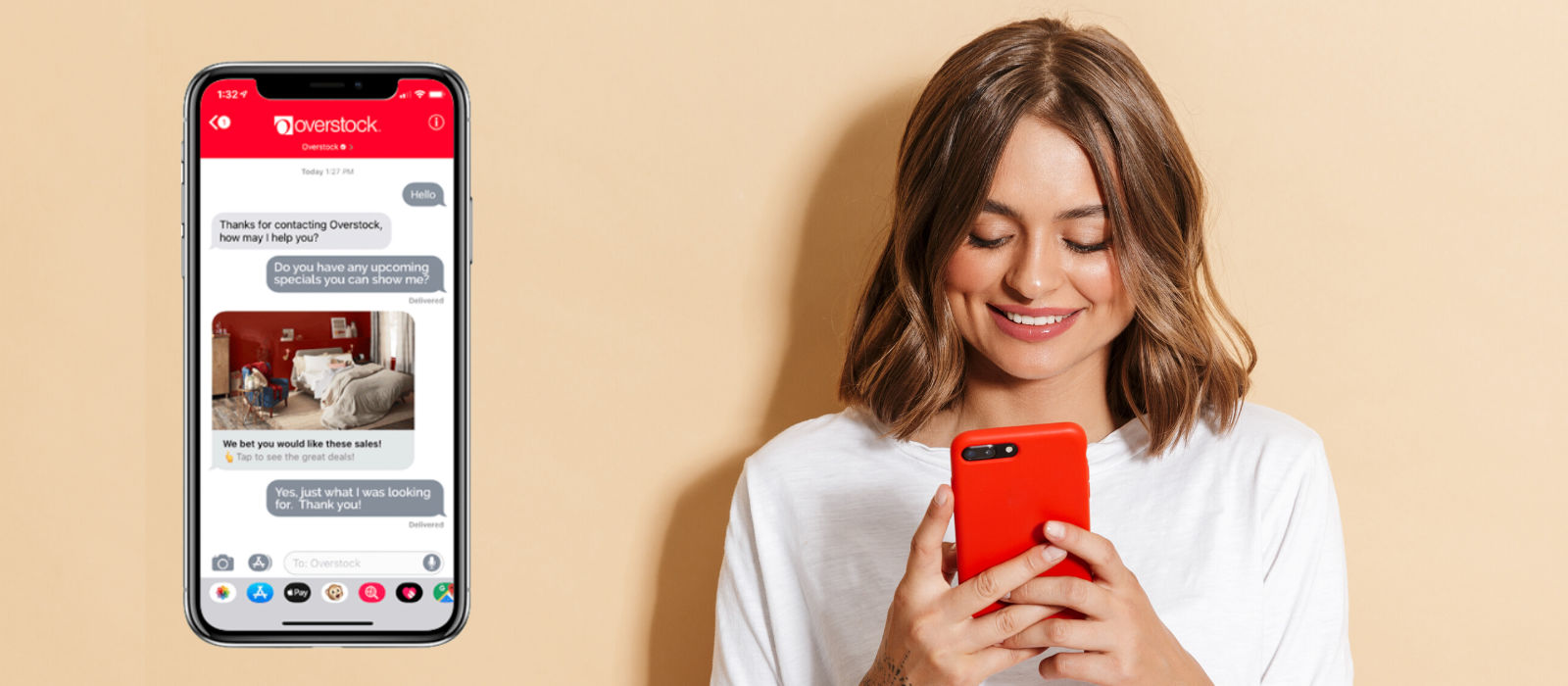
The term doesn’t refer to communication reserved solely for the elite, but rich messaging does rank highly among the most effective ways to engage customers today. Rich messaging (or Rich Communication Services or RCS) adds personalization, branding, and interactivity to 2-way messaging conversations , which even in its current SMS form, has very high open rates. Let’s cover the uses and benefits of rich messaging and how this service can enhance the customer experience as a whole.

What Is RCS Messaging?

Rich Communication Services messaging is a new way to exchange a text with added functionality. Consider RCS an upgrade to the simple plain-text format that SMS consisted of during the early years of mobile messaging when 160 characters was the limit.

With RCS, it’s possible to:

  • Attach large files and interactive media such as images, videos, digital promotions, and sign-ups
  • Shop and place orders
  • Schedule appointments
  • Complete secure transactions
  • Include option menus, response suggestions, or next steps
  • Leverage device components like a mobile camera to capture augmented reality, or GPS to display store location on a map

It’s expected that RCS will likely surpass SMS in time as the main protocol for messaging services. Right now, the use of rich messaging has risen dramatically in the digital marketplace, particularly in retail, consumer goods, and consumer services.

The two primary providers of these rich communication services are Apple and Google with Apple Business Chat and Google Messages. Businesses getting started will need to work with a Customer Service Platform like Quiq to enable using these communication services with their customers.

How Rich Messaging Drives Conversions

The biggest benefit of RCS for businesses is the ability to send more sophisticated texts for better branding and customer service. The numerous features of RCS give the digital customer experience a personal touch. The organization or the platform itself provides the methods to fine-tune the message for each recipient, and even account for customer data like the customers location or

Additional benefits of rich messaging services include:

  • Convenient product displays: Send carousel galleries or expandable pages for customers to scroll through
  • Direct assistance: Convert questions or complaints into actionable solutions in one conversation
  • Fast, personalized answers: Whether through a chatbot or live agent, customer requests are fulfilled without navigating out of the messaging window
  • Skip directly to the bottom of the buyer funnel: Provide sufficient information to make a sale without customers dialing a number or visiting a store

Improved Satisfaction With Faster Service and Richer Communication

Today, customer satisfaction hinges on timely, accurate, and useful information. RCS is beneficial for times when the full picture matters in the final purchasing decision — like the appearance of home decor — or when busy customer schedules make speedy applications or appointments a necessity.

Altogether, implementing rich messaging makes it more convenient for both businesses and consumers to exchange information. With the ability for businesses to respond in these more modern ways, they are then able to be faster and more tailored in their communications, and these richer experiences make it easy for customers to complete transactions and want to come back for more.

Deploy Rich Messaging in Your B2C Engagement With Quiq

Quiq makes enabling rich messaging as easy as sending a text message as it recognizes and sends the richest form of message possible, whether RCS or SMS, based upon device capabilities. To see the potential for yourself, schedule a live demo today.

See a Demo Today

5 Tips to Transform Your Customer Service in 2020

As consumers continue to spend more time at home, maintaining an effective online customer service presence is becoming more necessary than ever for businesses. Today’s customers have a lot of questions and expect a fast, first-class experience and personalized answers. Agents who aren’t using modern digital channels like SMS/text, web chat, and social direct messaging or leveraging the power of chatbots will struggle to keep up with multiple requests.

It’s not by chance that smart communication technology exists that can improve your customer service and provide greater convenience for your company and your customers. This list highlights the top customer experience trends for 2020 and how businesses are modernizing and improving customer service.

1. Offload Expensive Phone Calls to Messaging

It takes significant time and resources for a human agent to answer calls. As talented as humans are at multitasking, it’s impossible to juggle multiple, simultaneous phone calls. By offering options for text and live chat on your website, your business gives a caller the option to switch to a digital channel and engage with an agent immediately instead of waiting on hold.

Both messaging channels allow customers to respond to the message at their convenience. The end result is a more seamless experience for the customer when their needs aren’t put on hold.

2. Utilize Chatbots

Chatbots are automated programs that deliver information in a conversational way, like a human agent. Unlike a human agent, chatbots can handle countless requests simultaneously with almost instantaneous response times.

Chatbots can step in for agents experiencing over-crowded queues and quickly resolve basic requests — like scheduling appointments, collecting feedback, troubleshooting an issue, or answering the age-old question: “What is my order status?” But don’t think chatbots are simply used in place of human agents. Think of it as chatbots alongside human agents.  

It’s true, chatbots, in many cases, can resolve customer inquiries without the intervention of a human agent but chatbots can be introduced at any point in the conversation to augment the work done by humans. For example, a chatbot could greet customers and collect important information prior to handing the conversation over to a human agent. 

In another scenario, the human agent could transfer a conversation to a bot to collect information in the middle or end of a conversation. Once the bot has completed collecting information, the conversation is transferred back to the human agent. Bots can quickly handle the routine and repetitive tasks, like collecting order information, freeing up human sales, and service resources to focus on the more high-value tasks.

3. Transform Messages to the Richest Format

The easiest way to modernize your customer service to keep up with customer expectations is to send messages that match the sophisticated digital experiences they’re familiar with (think emojis, videos, photos, and memes). With rich communication services, businesses are able to send rich messages (cards, carousels, suggested replies) that exemplify the brand across all of the supported channels in the more modern ways customers are already using today, with their family and friends.

4. Adopt Mobile Messaging & On-Demand Service

The majority of Americans own a smartphone and carry around the capabilities to research, shop, and purchase products wherever they go. Optimize your website for mobile viewing so the answers customers want are just a tap away. With mobile messaging and on-demand, real-time service, contact with a representative from your company is immediate through text rather than dialing a number.

5. Implement Live Web Chat

Live chat is already a popular alternative to traditional calls, evidenced by expanding presence in business plans and rising satisfaction rates among customers who use it. In the same way your website is live 24/7, your customers expect agents to always be available. On-demand agents solve the challenge of your business’s schedule having to align with your customer’s. For organizations that do not have agents around the world in different time zones, a reliable chatbot offers around-the-clock messaging.

Use Quiq to Improve Customer Experience

Creating informative and adaptive communication is simple with Quiq messaging services. To learn more, contact us or schedule a live demo today.

See a Demo Today

The Evolution of Texts and Instant Messaging in Business

Instant messaging has changed the landscape of business-to-consumer interaction. The average American now receives a variety of texts from corporations and acquaintances. Digital-based customer service also opens more avenues to conduct business worldwide. How has digital transformation changed this multichannel approach and disrupted eCommerce and the sales cycle as we know it?

Brief History of Technology in Customer Service

Instant messaging has come a long way since the days of Internet Relay Chat (IRC) and web messaging platforms used throughout the 1980s and 1990s. Now there are multiple messaging apps on a consumer’s smartphone at a time, such as WhatsApp, Kik, and Snapchat, supplementing the already versatile channel of text.

Call tracking has also grown in sophistication to be more than logging what phone number will reach the customer. This technology includes more insights and integration to create personal profiles and track the entire customer journey, not just record a conversation.

The Impact of New Technology on Customer Experience

A deeper customer experience arrived with 21st-century technology. The wave of instant messaging began as more Americans purchased smart phones and computers. They’ve become acquainted with the ease and quickness of communication, and the text message now dominates exchanges between friends and family.

As customers spend more time connecting through mobile and online, businesses are next to adapt these new technologies into their Customer Relationship Management (CRM) system. For representatives, the use of the traditional call center declines in favor of the direct, instantaneous nature of text and web chats. As customers know, when they can reach out to companies faster and avoid waiting on the phone, they’re increasingly willing to initiate these conversations.

How Customer Behavior Drives Business Messaging

Today’s market is full of tech-savvy digital natives who often rely on their smart phones to gather information and shop online. Customers prefer the convenience and familiarity of text, especially because they can start and stop the conversation as they please.

In today’s stores, the phones might ring less often but an organization’s social media and web chat bustle with activity and potential new customers to connect with. Instant messaging ultimately drives a more personalized experience when learning about your products or services.

Also, businesses are able to continue to build trust and loyalty by sending relevant outbound messages to customers with up-to-date information about products and promotions that will keep them coming back for more.  It is extremely important that businesses consider this is not just an opportunity to reach customers, but that if the customer has a question, they should be able to easily respond to the message ensuring it is a two-way conversation.

The Future of Instant Messaging for Business

Mobile messaging volume is rising by the year and signaling no intentions of slowing down. Another noteworthy trend is the way in which third-party platforms continue to develop their messaging apps, injecting rich media into the presentation along with more features and service integrations.

You can expect to see more businesses harnessing instant messaging on their platforms. Chatbots are already in-demand for supplying even faster solutions. What’s more, sales and service reps need training for this channel to act authentically with customers — professional, conversational, and engaging — as if two friends were texting.

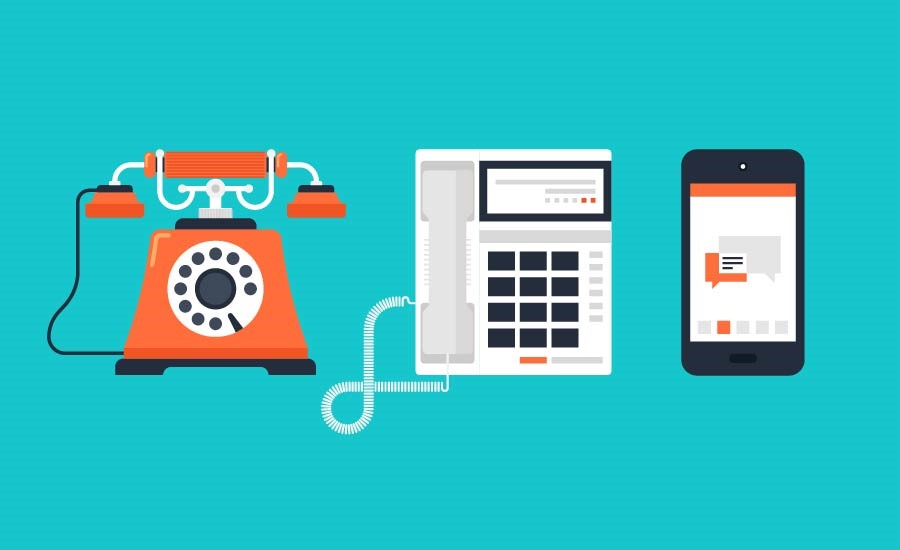
Does digital transformation within the customer experience mean the phone call is obsolete? Perhaps these technologies shouldn’t be competing but complementing each other to give the customer more say, whether it’s using their voice or their fingertips.

Embrace the Future of Instant Messaging With Quiq

The Quiq Digital Customer Engagement Platform utilizes SMS/Text and instant messaging as part of an multi-channel approach to business and customer communications. The streamlined integration with your existing CRM solution and in-depth performance analysis allows you to use messaging as your most versatile communication channel and make improvements to customer service operations. To learn more, request a live demo today.

See A Demo