 Emails get buried, hidden in other tabs, lost in spam folders. Facebook can go unchecked. Voicemails ignored. But there’s one channel your customers are sure to notice: Their text messages.
While many businesses rely on email to communicate with their customers, business text messaging is growing in popularity. According to Zendesk’s 2021 CX Trends report, the number of customers who say they prefer text messaging to resolve customer service issues grew 75% in the last year.
And it’s easy to see why. People are connected to their phones nearly 24 hours a day, seven days a week. While there are plenty of opportunities for other messages to get lost in the shuffle, text messages always hit the mark.
Are you using business text messaging to communicate with your customers? Here are the top 7 reasons why you should be.
1. Text messaging crushes other service platforms.
Sending messages through SMS/text messaging is way more effective than other customer communication methods. It has a nearly 100% read rate, compared to an average of around 20% for emails. And 90% of people open text messages within three minutes of receiving them.
Why are text messages so effective? People use text messaging to communicate with those they love most. Because of this, there’s a higher level of inherent trust that comes with a text. Consumers are also typically more protective of their phone numbers than their emails.
There’s also an element of novelty to business text messaging. Since it hasn’t been overrun with spam and marketing messages, like email, people don’t automatically dismiss them.
2. Customers are easily accessible.
Remember a time when everyone just made phone calls because it was easier? That’s text messaging. There’s no going online, no downloading apps, no searching for your brand on social media. It’s nearly foolproof.
Plus, unlike many other messaging platforms, text messaging doesn’t require an internet connection. As long as your customer has a phone plan, they can receive text messages virtually anywhere in the world. This makes it a more easily accessible option for your customers—no matter where they are.
3. Text message conversations are asynchronous.
Texting is a great medium to have two-way conversations that your customers can respond to in their own time. Even though people tend to read and respond to text messages faster than other mediums, it doesn’t require them to sit and wait for a response.
Unlike phone and live chat, text messaging gives your customers a chance to respond in their own time.
Want to know more about the benefits of asynchronous messaging? See how to use it to deliver an exceptional customer experience in this blog post
This facet also benefits your team. Since text messaging doesn’t require the immediate response that live chat does, agents can handle multiple conversations at once.
4. Texting customers increases agent efficiency.
 Business text messaging isn’t just good for your customers. Your customer support agents benefit, too.
Live communication channels like voice and live chat can bog down your agents’ time. They have to give their full attention to whomever they’re speaking with, which could be an easy answer or a long-drawn-out conversation. It’s an efficiency killer.
Since text messaging is asynchronous, agents can handle multiple conversations at once. In the time it would have taken to complete one phone call, a customer service representative can handle 6–8 conversations. That’s increasing their efficiency seven-fold.
5. Simply put: It’s what your customers prefer.
Most of your customers use text messaging to communicate with their favorite people every day. But they also want to chat with businesses, too.
Not only is it tapping into a medium they already know and love, but it’s also more casual than other channels. Younger generations especially prefer having more casual conversations with brands. Email can feel overly formal and phone conversations even more so. Text messaging, however, strikes the right balance.
6. It has multimedia, or “rich”, capabilities.
These days, there’s so much more to text messaging than just text. SMS/text messaging gives you the ability to give customers engaging and unique interactions.
Are they having a hard time implementing your product? Share a how-to video. Are they loving your service and want to connect with other customers? Send a link to your online community. You can even have them send images or videos to explain their needs so you can provide customized product suggestions. The opportunities are endless.
Want to enrich your text messaging but not sure how or where to start? First, learn more about rich messaging here >
7. Your competitors are using it.
We know what your parents would say… “If Johnny jumped off a bridge, would you?”
Snarky responses aside, there are definite drawbacks to being a late-adopter of a messaging medium. While offering text messaging to your customers now is still considered a differentiator, it won’t be that way for long.
Offering text messaging as a customer support option and enabling customers to opt-in to marketing offers now will give your business an advantage—or at least allow you to keep up with your competitors.
How to begin using business text messaging
So how should you use text messaging for your business? Focus your efforts on three main areas: Marketing, customer service, and customer loyalty.
Marketing
More and more businesses are offering discounts with text messaging opt-ins. And they’re extremely effective.
To market your business through text messaging, follow these important tips:
- Increase engagement with compelling content: Use all of text messaging’s rich features to spark interest in your audience.
- Personalize messages: Cultivate the 1:1 experience your customers crave. Instead of relying on mass messaging, experiment with tags and segmentations—group customers based on interests, past purchases, or even locations.
The right conversational platform can even help you turn texting into a powerful revenue generator. See how you can process secure transactions with Quiq
Customer support
Utilizing two-way texting for customer service is a great way to meet customer needs (for many of the reasons listed above). Your customers want to hear from you via SMS/text.
Leverage these tips for amazing customer service over text messaging:
- Be personable: Customers use text messaging because it’s a familiar and conversational platform. Tap into those feelings with personable communications. Have agents introduce themselves, use appropriate texting shorthand, and even throw out an emoji or two.
 Convert calls to text: Increase efficiency and customer satisfaction by converting phone calls to text messages. Customers can opt-out of long wait times and get their problems solved faster.
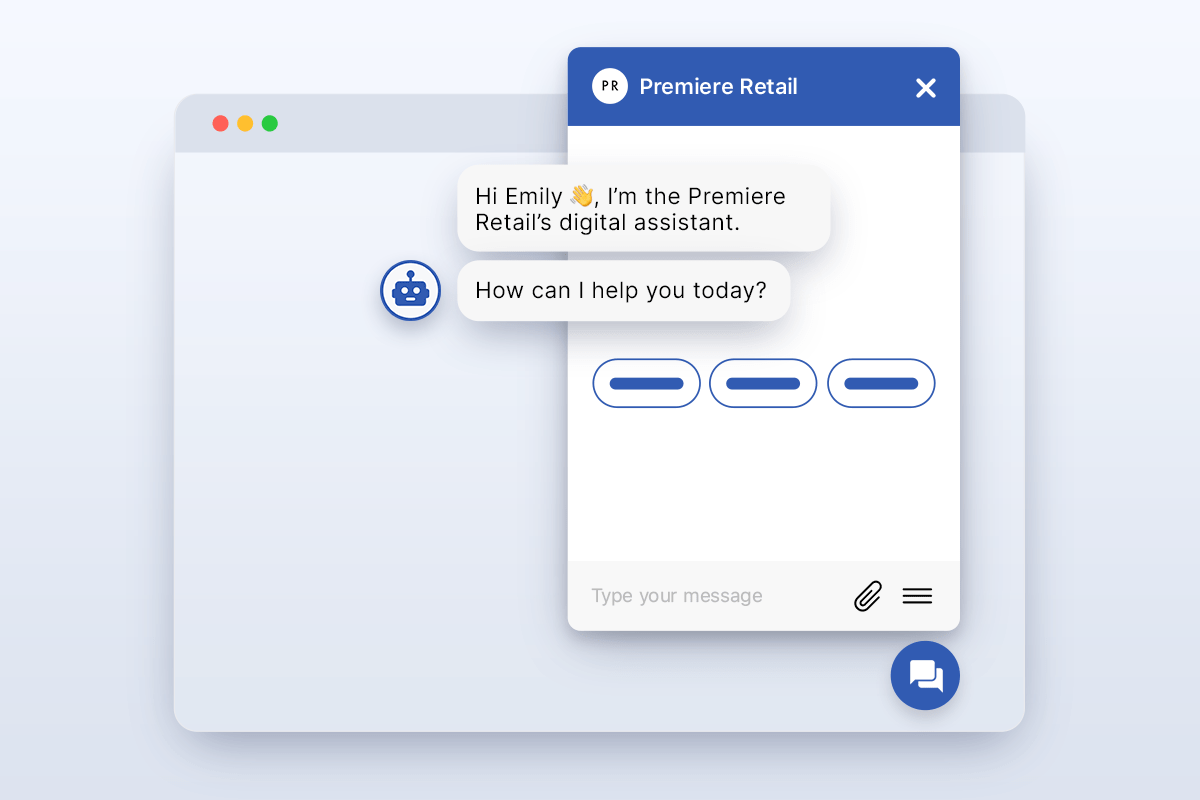
- Integrate chatbots: Part of the appeal of texting is that it’s a 24/7 channel. When your customer service agents aren’t available, ensure there’s a friendly chatbot on the other end that can provide helpful answers or respond with a timeframe for connecting with a live agent.
Customer loyalty
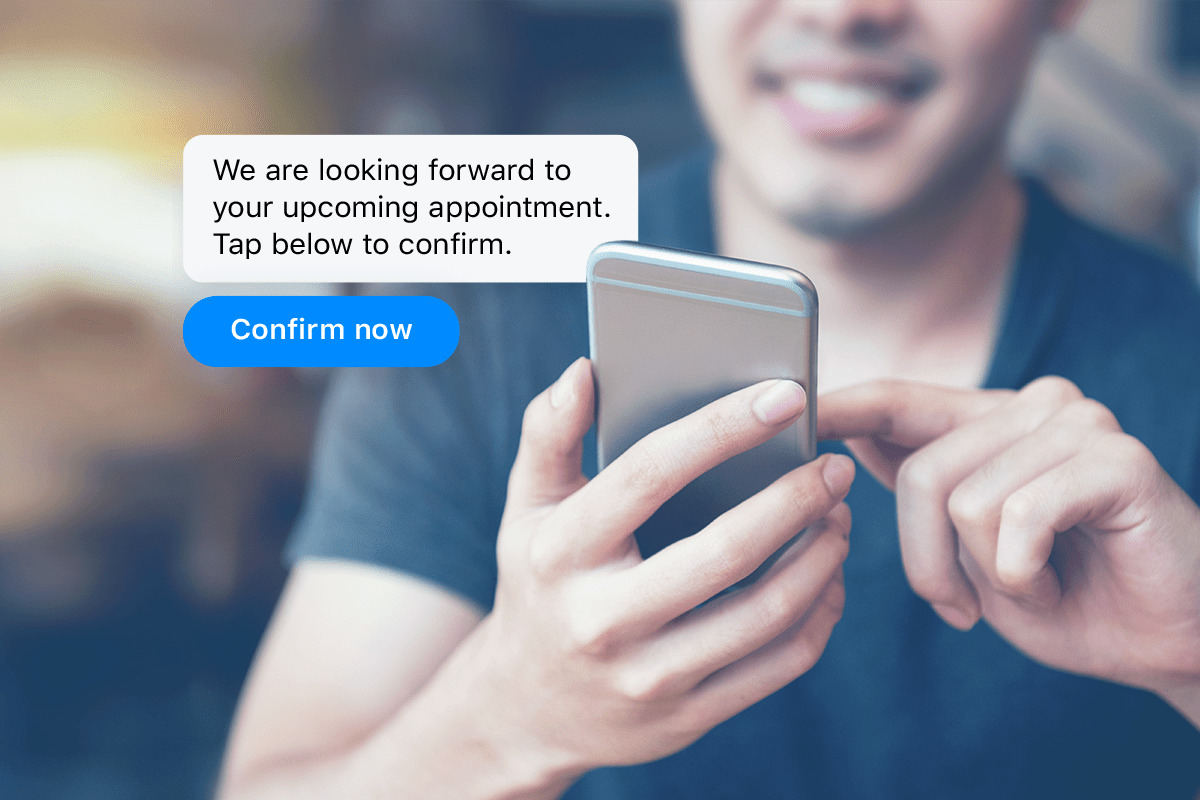
Think beyond customer support and go the extra mile to encourage customer loyalty. Use business text messaging to have conversations with your customers about their purchases, send appointment reminders, notify them of upcoming sales or expiring warranties… There are tons of opportunities to engage with your customers to generate loyalty.
Here are a few strategies to keep in mind:
- Pick points throughout the customer journey: Sending a coupon is just one step in the process. Reach out to customers at various points throughout their purchase journey. Send them appointment reminders, notify them of re-stocks, ask for feedback, or even offer loyalty perks.
- Don’t abuse the privilege: Just like other forms of customer communication, too many marketing messages can have the opposite effect.
Remember: Bad interactions weigh heavier on customers’ minds than ones that go above and beyond.
Tap into business messaging with Quiq
No matter how you choose to use business text messaging, Quiq is here to help.
Message one or millions with Quiq’s messaging platform, whether you’re a package tracking link, sharing the latest sale details, or notifying customers of a service outage. Reach your customers wherever they are on the channel they prefer.