RCS gives brands a richer messaging experience than SMS, while SMS still wins on reach and reliability. For most businesses, the better choice is not about replacing one with the other. It is about knowing where each channel fits into your messaging strategy.
In this guide, we compare RCS vs SMS across reach, features, customer experience and business use cases. You will see how each messaging protocol works, where RCS offers more interactive options, and when traditional SMS still makes more sense.
This article is for marketing teams, customer experience leaders, and businesses that use mobile messaging to communicate with customers.
The difference matters because the channel you choose affects what customers can see and do inside a message. RCS can support richer conversations with media and interactive elements, while SMS gives you access to almost every mobile phone. Understanding both helps you choose the right format for each customer interaction.
TL;DR
| SMS | MMS | RCS | |
|---|---|---|---|
| Primary format | Text messages | Text plus multimedia | Rich, interactive messages |
| Images and video | Very limited | Supports images, video, and audio | Supports rich media, including high-resolution images and video |
| Interactive features | Limited mainly to links and replies | Limited mainly to links and replies | Buttons, carousels, suggested replies, and other interactive elements |
| Read receipts | No native read receipts | No native read receipts | Supported |
| Typing indicators | No | No | Supported |
| Branding | Limited | Limited | Verified business profiles and branded messaging |
| Connectivity | Cellular network | Typically requires cellular data | Requires mobile data or WiFi |
| Device reach | Widest reach across mobile phones | Broad support | Depends on device, carrier, and RCS availability |
| Best for | Alerts, verification codes, reminders, and simple campaigns | Campaigns that need basic multimedia sharing | Rich customer conversations, product discovery, support, and interactive campaigns |
| Role in a messaging strategy | Reliable primary channel or RCS fallback | Multimedia extension of SMS | Richer messaging option where supported |
Get started with RCS messages in your CX strategy. Book a demo with Quiq today.
What is RCS and how does it work?
RCS is a modern messaging standard that brings app-style features to the native messaging experience on a customer’s phone. Short for rich communication services, RCS expands on traditional SMS with branded conversations, richer content, and interactive features.
For customers, there is usually nothing new to download. RCS messages appear inside the messaging app they already use. The conversation can support images and video, while interactive elements such as buttons or carousels let customers take action directly from the message thread.
RCS business messaging adds a brand layer to that experience. Instead of receiving a text from an unfamiliar number or short code, customers can see a verified business profile with the company name and logo. Brands can also access richer engagement data, including read receipts and interaction tracking.
Behind the scenes, RCS uses an internet connection rather than the traditional SMS network. Before sending an RCS message, the messaging platform can check whether the recipient and their carrier support RCS. When RCS is unavailable, businesses can use SMS as a fallback so the message can still reach the customer.
For brands, the result is a richer native messaging channel without requiring customers to install another app. RCS business messaging can turn conversations that once relied on plain text into branded, interactive customer experiences.
When to use RCS
Use RCS when you want mobile messaging to do more than deliver plain text. As a next-generation messaging protocol, RCS works well for customer conversations where richer content and direct interaction can improve the experience.
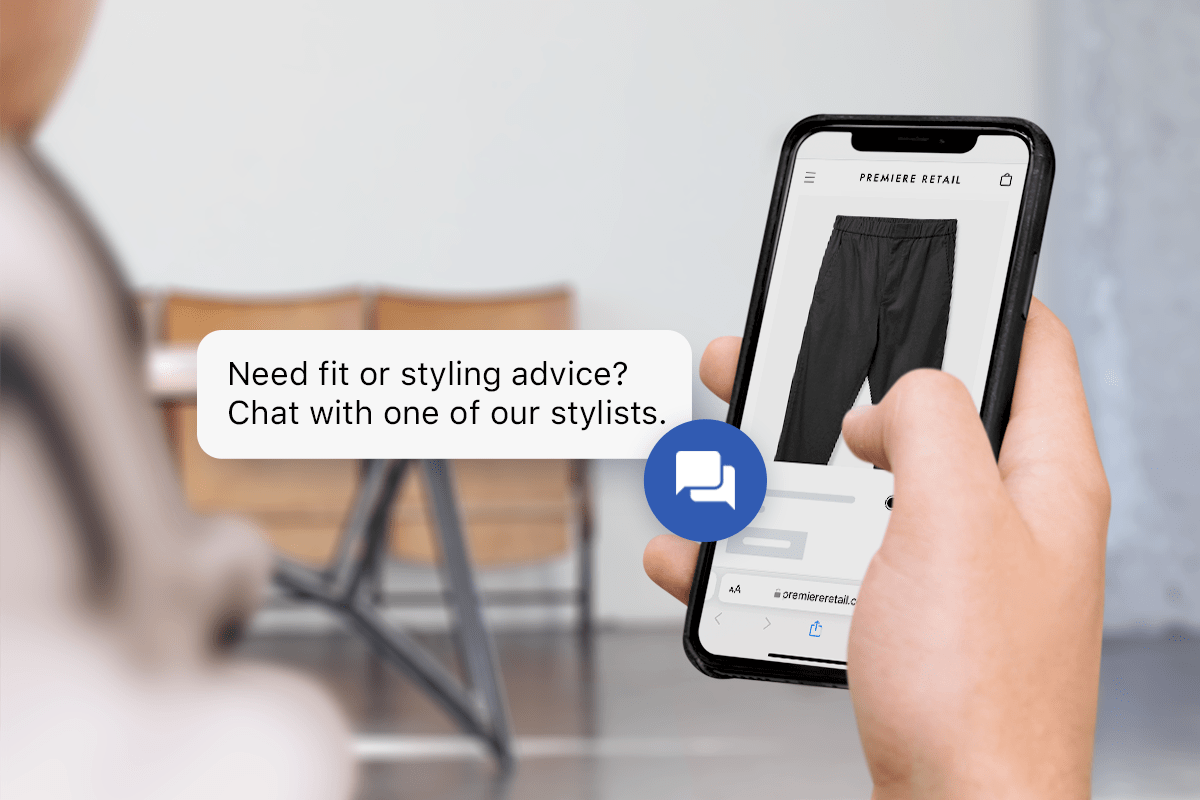
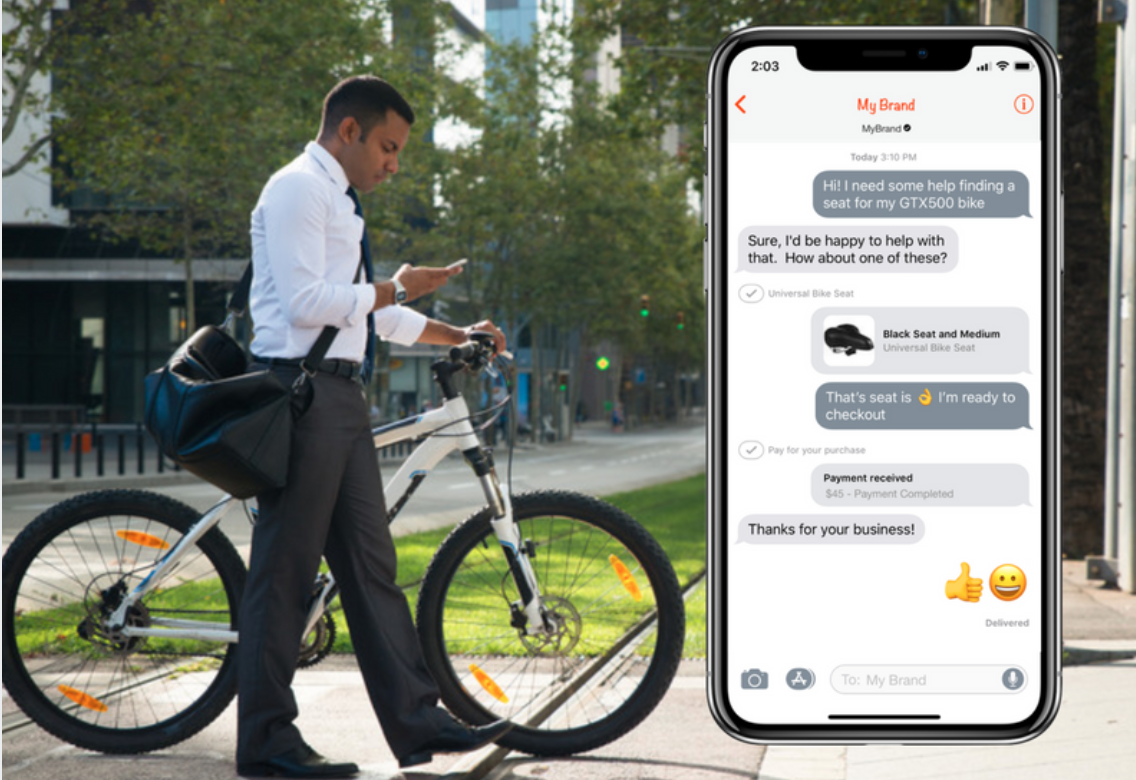
RCS is especially useful for product discovery, customer support, appointment management and promotional campaigns. Brands can send images, carousels, and suggested replies inside the native messaging app, giving customers more ways to act without opening a separate website.
It can also work well for support conversations. Features such as read receipts and typing indicators make the experience closer to messaging through Facebook Messenger, while keeping the conversation inside the messaging app customers already use.
Support has expanded across Android devices through Google Messages, while newer iPhone users can also send and receive RCS messages when their carrier and device support the protocol. This makes RCS increasingly practical for campaigns aimed at a broad mobile audience.
RCS makes the most sense when interaction matters as much as delivery. If you want customers to browse options, respond to prompts or complete simple actions inside a conversation, RCS gives you more flexibility than SMS or MMS.
What is SMS and how does it work?
SMS is the standard technology used to send text messages between mobile phones. Short for short message service, SMS has been around for decades and remains one of the most widely supported messaging channels in the world.
Its biggest advantage is reach. SMS works on nearly every mobile device, including older phones that do not support newer messaging standards. Mobile phone users also do not need to install an app, create an account or enable a specific messaging service before receiving a text.
SMS messages travel through the cellular network rather than relying on cellular data or WiFi. That means a customer can receive a message even when they do not have an active internet connection, as long as they have cellular service.
For brands, SMS is commonly used for transactional updates, alerts, reminders and marketing messages. Businesses can send appointment confirmations, delivery notifications, verification codes, and promotional campaigns directly to a customer’s phone number.
The trade-off is that SMS is limited compared with newer messaging formats. Standard messages are primarily text-based, with fewer options for branding or interactive elements inside the conversation.
For businesses, SMS remains valuable because of its reach and familiarity. It gives brands a direct way to communicate with customers across a huge range of mobile phones, including devices that cannot receive richer messaging formats.
When to use SMS
Use SMS when reach and reliable delivery matter more than rich interactions. Because nearly every mobile phone is SMS compatible, it is often the safer option when you need to contact a broad target audience.
SMS works especially well for alerts, reminders, verification codes and time-sensitive updates. Customers do not need a specific app or mobile data connection to receive the message, which makes SMS useful for communications that need to reach people quickly.
It is also a practical choice for SMS marketing when the message is simple, and the main goal is to get the customer to read a short offer or follow a link.
SMS also plays an important role as an SMS fallback for RCS campaigns. If a customer cannot receive an RCS message because of their device, carrier, or settings, the business can send an SMS instead.
Choose SMS when broad compatibility matters most. If your target audience includes people using older devices or customers without consistent internet access, SMS can give you more dependable coverage than richer messaging formats.
Key differences between RCS vs SMS
The biggest difference between RCS and SMS is the type of experience each messaging protocol can deliver. SMS prioritizes reach and simplicity, while RCS adds richer content and more ways for customers to interact with brands.
For most businesses, the choice does not have to be one or the other. A messaging strategy can use RCS where supported and rely on SMS when customers cannot receive messages through RCS.
RCS supports richer content
Traditional SMS campaigns are primarily built around text. MMS can add images and other media, but the experience remains relatively limited.
RCS supports rich media directly inside the conversation, including high-resolution images, video and visual product content. Brands can create messages that feel closer to an app experience without asking customers to install another application.
This gives RCS for business more flexibility for campaigns where presentation plays an important role, e.g. in industries like retail.
RCS offers interactive messaging
SMS campaigns often depend on links that send customers to a website or another destination to complete an action.
RCS can keep more of that interaction inside the message itself. Brands can add suggested replies, buttons and carousels that customers can tap without leaving the conversation.
This interactive messaging capability can be useful for activities such as choosing an appointment time, browsing products or confirming an order.
RCS messages provide more conversation signals
RCS supports features customers already associate with modern messaging apps, including typing indicators and read receipts.
These signals make conversations feel more immediate and give businesses better visibility into whether customers have seen a message.
SMS does not provide the same level of interaction data by default. A business may know that an SMS was delivered, but it generally cannot tell whether the recipient actually read it.
SMS has broader device coverage
SMS has one major advantage: reach.
It works across virtually all mobile phones and does not depend on the recipient having RCS enabled. This makes SMS useful when a business needs to contact the widest possible audience.
RCS availability has expanded considerably, including support across many Android devices and newer iPhones, but availability can still depend on the device, carrier and messaging setup.
RCS relies on an internet connection
RCS uses mobile data or WiFi to send and receive messages. Without an internet connection, an RCS message may not be delivered immediately.
SMS uses the cellular network and does not require mobile data. As long as the phone has cellular service, the user can typically receive the message.
This makes SMS especially useful for urgent notifications where internet connectivity cannot be assumed.
RCS gives brands more control over the customer experience
RCS for business supports branded messaging experiences that can include verified sender information and richer visual elements.
SMS is more limited. Even well-designed SMS campaigns still operate within a text focused format, with branding usually communicated through the message copy and links.
For businesses, this creates a clear distinction. SMS offers dependable reach, while RCS gives brands more tools for building richer customer conversations.
RCS vs SMS vs MMS
MMS sits between SMS and RCS in terms of messaging capabilities. It adds multimedia to standard texting, but it does not offer the interactive features or branded experience available with RCS.
MMS stands for multimedia messaging service. It was developed as an extension of SMS, allowing businesses and consumers to send images, video and audio alongside text. Unlike SMS, MMS typically depends on data connectivity through the cellular network to deliver multimedia content.
How MMS compares to SMS
SMS is designed primarily for text, while MMS adds multimedia sharing. This makes MMS useful for campaigns where an image or visual offer can communicate more than plain text alone.
However, MMS still operates within many of the limitations of traditional mobile messaging. File sizes can be restricted, images may be compressed and businesses get fewer interactive options than with RCS.
How MMS compares to RCS
RCS goes considerably further than MMS. It supports richer visual content and can send high-resolution images without relying on the same restrictive multimedia format used by MMS.
RCS also adds interactive elements such as buttons, carousels, and suggested replies. MMS can deliver visual content, but the recipient generally views the media and then responds through a standard text conversation or follows an external link.
For brands, MMS can be a useful extension of SMS when visuals are needed. RCS is the better option when the goal is a richer, more interactive customer experience, while SMS remains the safest choice when maximum device coverage is the priority.
Use RCS for business with Quiq
RCS gives brands more room to create useful, interactive customer conversations, and Quiq supports RCS as a native messaging channel. Quiq can run AI Agents on Google RCS alongside other messaging channels, giving businesses one place to manage richer customer interactions without treating RCS as a separate system.
With Quiq, brands can use RCS for customer service, transactional messaging, and other conversations where rich media or interactive elements improve the experience. If RCS is not available for a customer, SMS can still play an important role in the wider messaging strategy.
That gives businesses flexibility. RCS can handle richer conversations where device support allows it, while SMS can continue covering customers who need a more universally supported channel.
For enterprise teams already managing customer conversations across several messaging channels, Quiq brings RCS into the same broader customer messaging setup.
Want to see how RCS can fit into your customer messaging strategy? Book a demo with Quiq today.
Frequently asked questions
Is RCS better than SMS?
RCS is better when brands want rich media, interactive features, branded conversations, and better engagement data. SMS is better when maximum reach and compatibility across mobile devices are the priority.
Is RCS replacing SMS?
RCS is expanding quickly, but SMS is unlikely to disappear anytime soon. Businesses can use RCS where supported and rely on SMS as a fallback when a customer cannot receive RCS messages.
Does RCS work on iPhone?
Yes. Apple added RCS support with iOS 18, although availability depends on the carrier and region. This means RCS conversations are no longer limited primarily to Android devices.
Does RCS require an internet connection?
Yes. RCS requires mobile data or WiFi to send and receive messages. SMS uses the cellular network and can work without an active internet connection.
What happens if someone cannot receive an RCS message?
Businesses can configure SMS as a fallback when RCS is unavailable. This allows the customer to still receive the message even if their phone, carrier, or messaging setup does not support RCS.
Is RCS more secure than SMS?
RCS can support stronger security features than traditional SMS, although the exact protections depend on the messaging provider and implementation. For businesses, verified sender profiles can also help customers identify legitimate brand conversations.
Can businesses use both RCS and SMS?
Yes. Using both often makes more sense than choosing only one. Brands can use RCS for richer interactions while keeping SMS available for customers who cannot receive RCS messages.