Key Takeaways
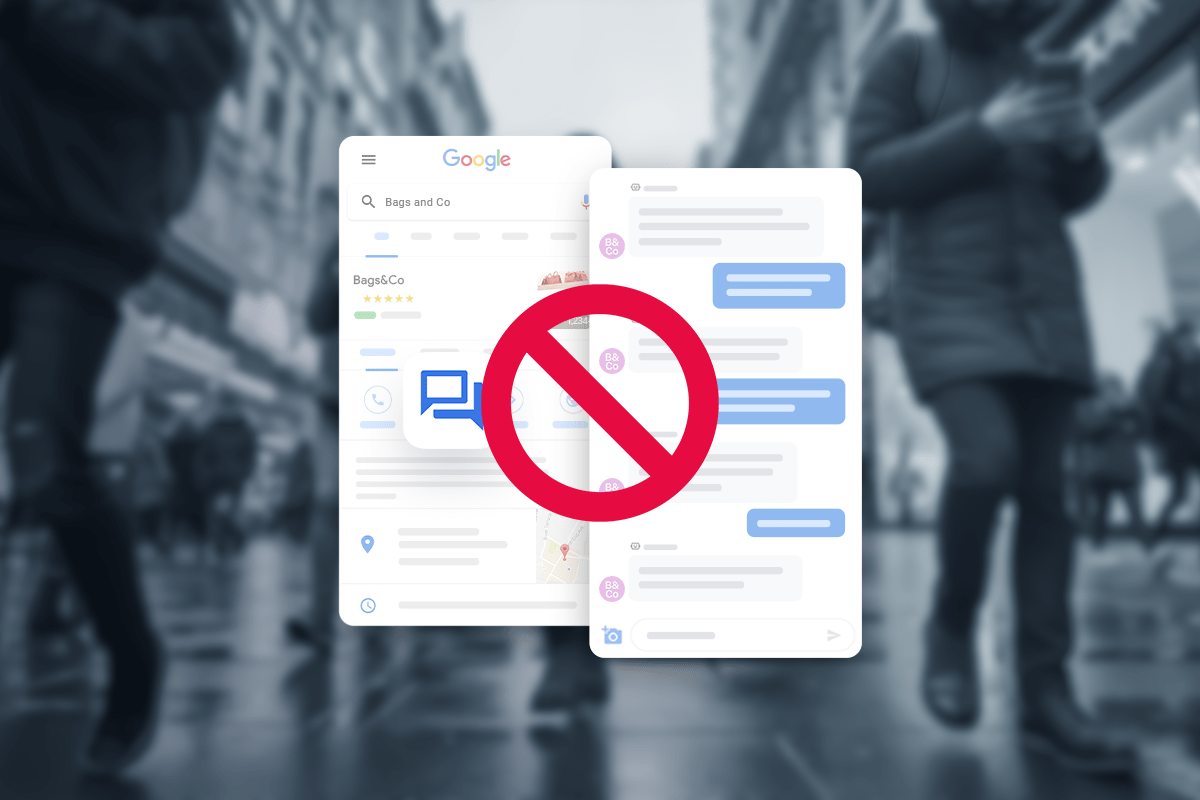
- Google Business Messaging is officially gone. The channel has been fully shut down, so businesses can no longer rely on Google Search or Maps as a messaging entry point for customer conversations.
- Customer expectations haven’t changed; messaging is still critical. While GBM has ended, customers still expect fast, conversational support, making it essential to replace it with modern messaging channels rather than reverting to phone or email alone.
- The best path forward is a multi-channel messaging strategy. Alternatives like SMS, WhatsApp, Apple Messages for Business, web chat, and social messaging allow brands to meet customers where they already are — with automation and AI to scale support efficiently.
Google messaging for business has long been one of the primary rich messaging channels for Android, but it’s now in the process of being phased out.
Google messaging for business has been sunsetted, but that doesn’t mean your customer experience has to suffer. This piece will walk you through the main alternatives to GBM, ensuring you have everything you need to keep your organization running smoothly.
What are the Alternatives to Google Messaging for Business?
If you’re wondering which communication channel you should switch to now that Google messaging for business is gone, here are some you should consider. They’re divided into two groups. Group one consists of the channels we personally recommend, based on our years of experience in customer service and contact center management. Section two deals with communication channels that we still support but which, in our view, are not as promising as alternatives to GBM.
Recommended Alternatives to Google Business Messaging
Here are the best channels to serve as replacements for Google messaging for business
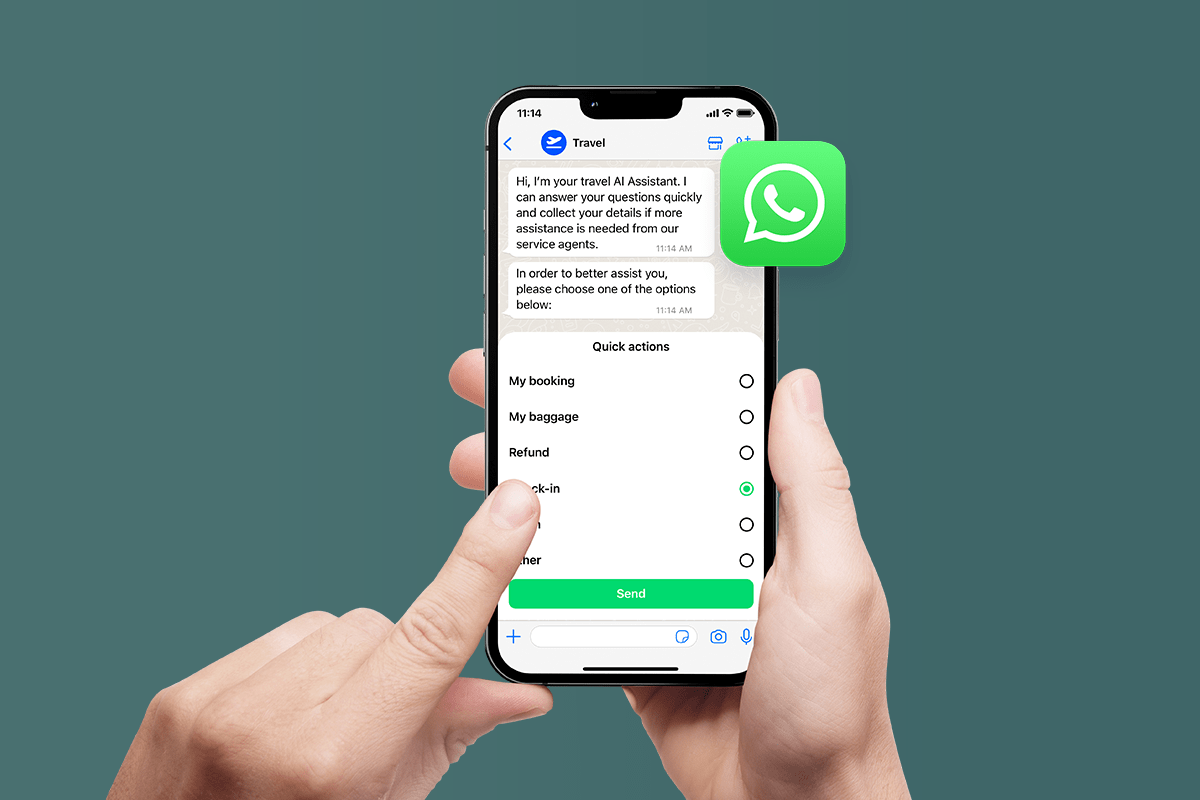
- WhatsApp: WhatsApp enables text, voice, and video communications for over two billion global users. The platform includes several built-in features that appeal to businesses looking to forge deeper, more personal connections with their customers. Most importantly, it is a cross-platform messaging app, meaning it will allow you to chat with both Android and Apple users.
- Rich Communication Services (RCS): RCS is best positioned as a modern, feature-rich upgrade to SMS, rather than a direct competitor to apps like WhatsApp. It’s designed to deliver richer, branded messaging experiences directly within native messaging apps on supported Android devices.
- Text Messaging or Short Message Service (SMS): SMS is a long-standing staple for a reason, and with a conversational AI platform like Quiq, you can put large language models to work automating substantial parts of your SMS-based customer interactions.
Other Alternatives to Google Business Messaging
Here are the other channels you might look into.
- Live web chat: Live chat is used to provide an interactive experience, with readily available, helpful agents, and swift responses. There are plenty of ways to encourage your customers to actually use your live chat offering, including mentioning it during phone calls, linking to it in blog posts or emails, and promoting it on social media.
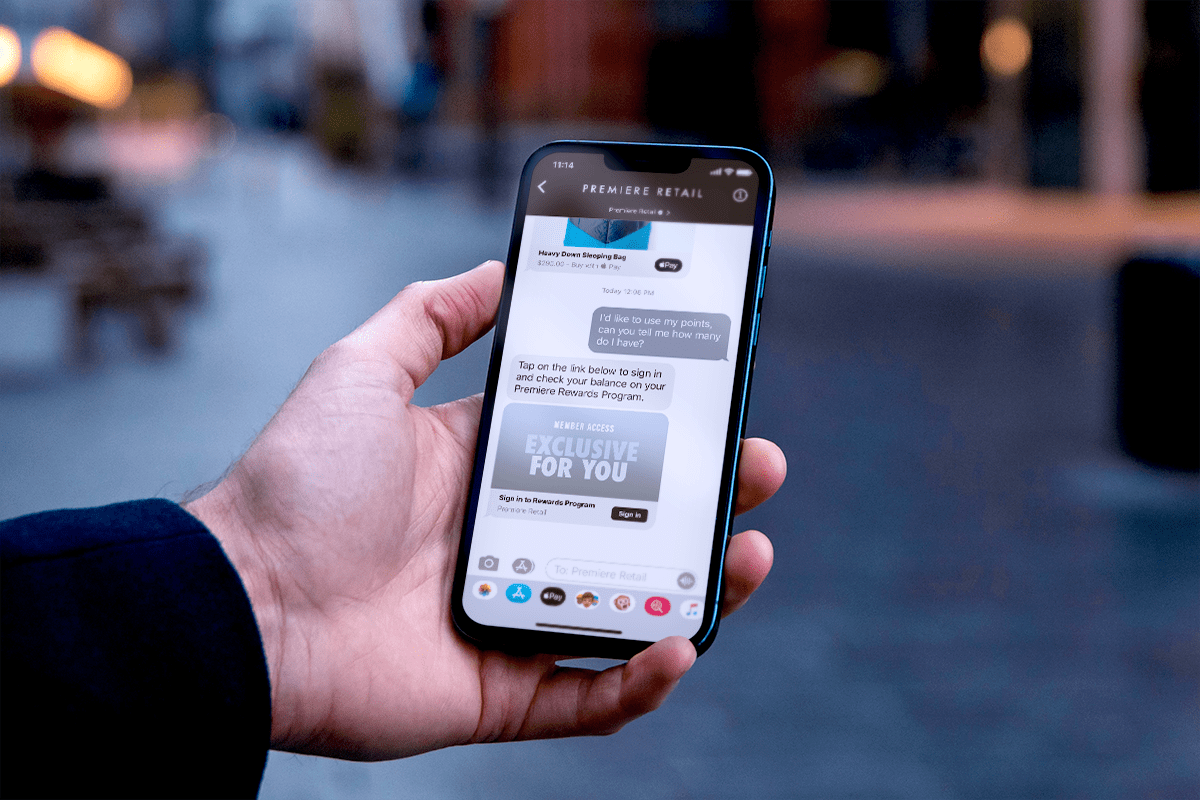
- Apple Messages for Business: Unlike standard text messaging available on mobile phones, Apple Messages is a specialized service designed for businesses to engage with customers. It facilitates easy setup of touchpoints such as QR codes, apps, or email messages, enabling appointments, issue resolution, and payments, among other things.
- Facebook Messenger: Facebook Messenger for Business enables brands to handle incoming queries efficiently, providing immediate responses through AI assistants or routing complex issues to human agents. Clients integrating with a tool like Quiq have seen a massive ROI – a 95% customer satisfaction (CSAT), a 70-80% resolution rate for incoming customer inquiries automatically, and more. Like WhatsApp, FB Messenger is a cross-platform messaging app, meaning it can help you reach users on both Android and Apple devices.
- Instagram: Instagram isn’t just for posting pictures anymore – your target audience is likely using it to discover brands, shop, and make purchases. They’re reaching out through direct messages (DM), responding to stories, and commenting on posts. Integrating Quiq’s conversational AI with Instagram’s messaging API makes it easier to automate responses to frequently asked questions, thereby reducing the workload on your human agents.
- X (formerly Twitter): With nearly 400 million registered users and native, secure payment options, X is not a platform you can ignore. And the data supports this. By utilizing X business messaging, you can connect with your customers directly, providing them with excellent service experiences. Over time, this approach helps you build strong relationships and positive brand perceptions.
How to Switch Away From Google Business Messaging
Even though GBM is going the way of the Dodo, the good news is that you have tons of other options. Check out our dedicated pages to learn more about SMS, WhatsApp, and Facebook Messenger, and you’re warmly invited to consult with our team if you are currently using GBM with another managed service provider and are not sure what the best direction forward is!
Frequently Asked Questions (FAQs)
How should I choose which alternative to use?
Focus on where your customers already communicate most — for example, global audiences may prefer WhatsApp, while domestic audiences often rely on SMS/text messaging. Social channels like Messenger and Instagram are valuable if your brand has strong social engagement. Consider factors like cross-platform access, support automation, and integration with your existing systems.
What other messaging channels can I consider?
Beyond the top recommendations, there are additional channels you can integrate to broaden your reach and support capabilities:
X (formerly Twitter) Messaging: Offers conversational engagement and public brand interaction.
Live Web Chat: Adds an on-site support option for real-time conversations.
Apple Messages for Business: Lets iPhone users message your business directly with rich features like appointment scheduling and payments.
Facebook Messenger: A cross-platform social messaging channel that supports automation and human-powered chats.
Instagram DMs: Useful for supportive messaging as well as brand discovery and social engagement.