Key Takeaways
- Spirit Airlines achieved a 40%+ automated resolution rate and 16% faster average conversation times after shifting to agentic AI, transforming both efficiency and guest satisfaction.
- The partnership with Quiq enabled Spirit to replace rigid chatbots with flexible, goal-oriented AI self-service across multiple channels.
- Automated flows now handle high-impact use cases like flight rebooking and IROP refunds, enabling agents to focus on higher-value interactions.
- Spirit’s phased approach allows for new integrations, smarter support for agents, and investment in future-ready CX features like real-time multilingual capabilities.
- The transformation demonstrates the impact of combining innovative technology with a clear, guest-focused vision.
Customer experience in the airline industry is notoriously complex. Travelers need instant, personalized support at every stage of their journey, from booking to baggage claim. For Spirit Airlines—the seventh-largest carrier in North America, serving over 40 million guests annually—meeting these expectations is central to their mission.
Recently, I had the pleasure of hosting a webinar with my colleague, Max Fortis, and Vanessa Hardy-Bowen, Director of Guest Care & Contact Centers at Spirit Airlines. We explored how Spirit is leveraging agentic AI to transform its customer service, moving from rigid, last-gen chatbots to a dynamic, omnichannel self-service experience.
I started my partnership with the Spirit team back in 2020, and it’s been incredible to witness their evolution firsthand. In this recap, I’ll share the key takeaways from our conversation, offering an inside look at how Spirit turned its CX challenges into a story of innovation and remarkable results.
From a Ground-Level Challenge to a Sky-High Vision
Spirit Airlines recently embarked on a major brand transformation. As Vanessa explained, this was about more than a new logo; it was about reimagining the entire guest experience from the ground up. A core part of this was upgrading their self-service capabilities to empower guests and improve operational efficiency.
Their previous chatbot solution, like many first-generation bots, relied on rigid, menu-driven flows that often led to dead ends. Simple inquiries became lengthy, transactional processes, and complex issues almost always required an escalation to a live agent.
Vanessa detailed Spirit’s vision for a more advanced, AI-driven solution that could handle complex requests in a conversational way, move fluidly across channels, and streamline escalations for human agents.
Why Agentic AI Was the Answer
Traditional chatbots fell short because they couldn’t handle the real-world complexity of travel inquiries. Agentic AI delivered what these legacy bots could not: autonomous, goal-oriented conversations that adapt in real time.
Unlike models that follow predefined scripts, agentic AI uses a set of flexible “Process Guides” to reason through nuanced interactions. This allows the AI to understand the full context of a conversation, connect disparate pieces of information, and take action in Spirit’s backend systems. The result is a consistent, personalized, and always-on self-service experience that dramatically improves both efficiency and guest satisfaction.
Use Cases in Action
Spirit’s phased approach to implementing agentic AI with Quiq allowed them to upgrade their capabilities step-by-step. During the webinar, we demonstrated how this technology is automating some of their highest-volume contact drivers.
1. Flight Rebooking
Flight modifications are a common and critical customer need. We showcased how Spirit’s AI agent handles this on a voice call, demonstrating a multimodal experience where the agent seamlessly transitions the conversation from voice to text. The AI agent identifies the customer, pulls up their reservation, answers preliminary questions, and then initiates the rebooking process.
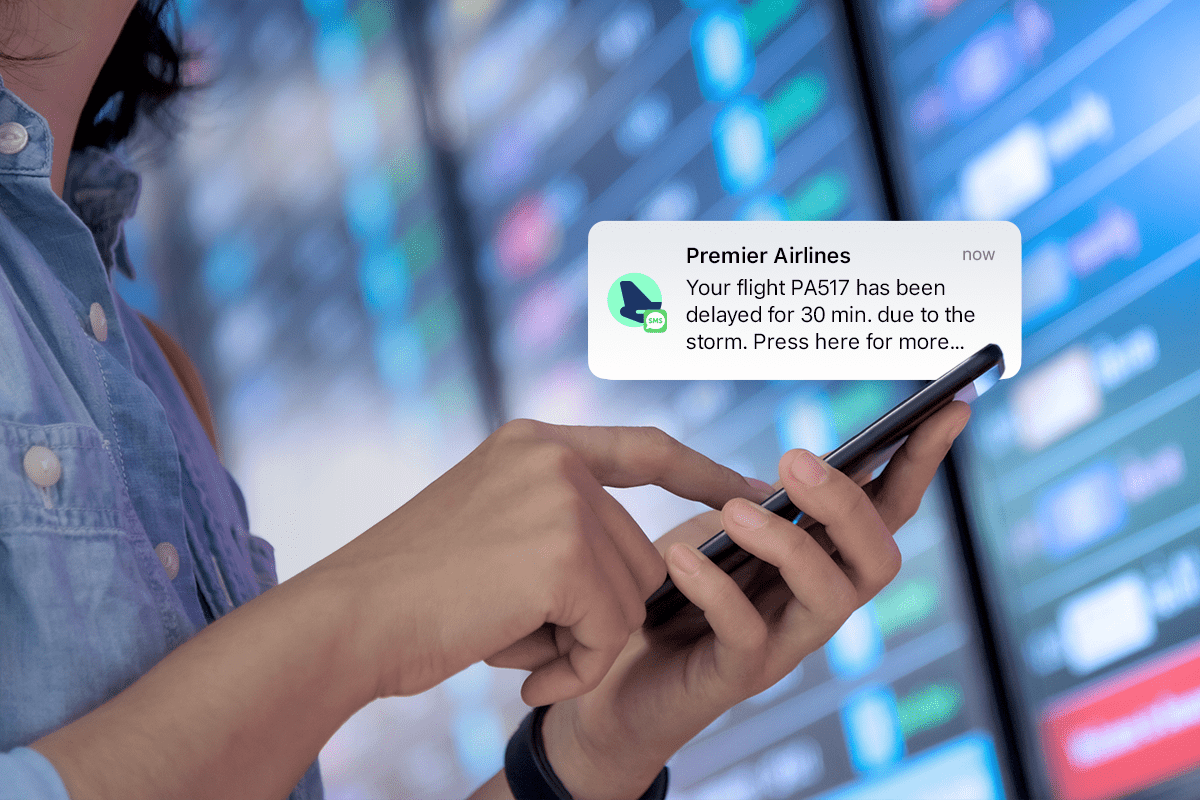
To make it easier for the customer to review their options, the agent sends the new flight details via SMS. This blend of voice and text creates a frictionless experience.
2. Irregular Operations (IROP) Refunds
Cancellations and delays are a major source of stress for travelers and a huge driver of contact volume for airlines. We also demonstrated how the AI agent manages an IROP refund request, starting with an off-topic question about pet policies to show the agent’s adaptability.
When the customer pivots to their canceled flight, the AI agent consults its IROP process guide, gathers the necessary information, verifies the booking, and processes the refund for all guests on the reservation—all within a single, natural conversation. This frees up human agents to handle more sensitive or complex escalations.
The Power Behind the Technology
These dynamic experiences are powered by Quiq’s AI Studio and its agentic architecture. I shared how this platform enables a phased evolution from menu-driven bots to fully agentic flows, giving Spirit the flexibility to build how they want without being locked into rigid templates.
Max Fortis, our Product Manager, broke down how the architecture works:
It combines customer input with conversation history and external context to select the right Process Guide. The agent can then use tools to access knowledge bases, call APIs, and even switch modalities—like sending a text during a voice call—to resolve the customer’s issue efficiently.
Results That Speak for Themselves
Spirit’s shift to an agentic AI model has delivered impressive, measurable outcomes. Vanessa shared some of the standout metrics that highlight the success of this transformation.
The AI agent now achieves an automated resolution rate of over 40%, with conversation times that are 16% faster. Even when an escalation is necessary, conversations handled by human agents are 20% shorter because the agent arrives with a full summary of the AI interaction. Between July 2024 and July 2025, Spirit has handled over 7 million conversations through Quiq.
As Vanessa explained, this efficiency doesn’t just improve the guest experience; it also boosts job satisfaction for her team by allowing them to focus on higher-value work.
What’s Agentically Next for Spirit?
The journey is far from over. Spirit is already planning the next phase of its AI-powered CX strategy. Vanessa gave us a preview of what’s on the horizon, including:
- New Self-Service Integrations: Soon, guests will be able to get baggage price quotes tailored to their route or cancel reservations directly within a chat or voice conversation.
- AI-Powered Agent Assistance: Spirit plans to integrate its knowledge base and CRM data to surface insights for human agents, streamlining their workflows and reducing handle times.
- LLM-Based Message Translation: To better serve their diverse customer base, Spirit is exploring real-time message translation that will allow agents to converse effortlessly in any language.
It was an honor to host this webinar and dive into the incredible work the Spirit Airlines team is doing. Their thoughtful strategy and impressive results are a powerful example of what’s possible when innovative technology is paired with a clear vision for the customer experience. A big thank you to Vanessa and the entire Spirit team for their partnership!
Frequently Asked Questions (FAQs)
What is agentic AI?
Agentic AI refers to an advanced form of artificial intelligence that can autonomously reason, make decisions, and adapt conversations in real time. Unlike rule-based chatbots, agentic AI handles complex, multi-step interactions and provides personalized, contextual support.
How does Spirit Airlines use agentic AI?
Spirit Airlines uses agentic AI to power their omnichannel self-service experience. The AI helps guests with common and complex requests—such as flight rebooking and refunds—across voice, chat, and other digital channels, offering seamless handoffs to human agents when needed.
What are the benefits of agentic AI for customer experience (CX)?
Agentic AI enables faster resolutions, 24/7 support, and improved consistency across channels. For Spirit Airlines, this has resulted in a 40%+ automated resolution rate, faster conversation times, and reduced workload for human agents—ultimately delivering a better guest experience.
Can agentic AI support multiple customer channels?
Yes, agentic AI operates across voice, chat, SMS, and other digital touchpoints, maintaining context and continuity no matter how or where a customer reaches out.